
Data-driven view: what the curves tell us
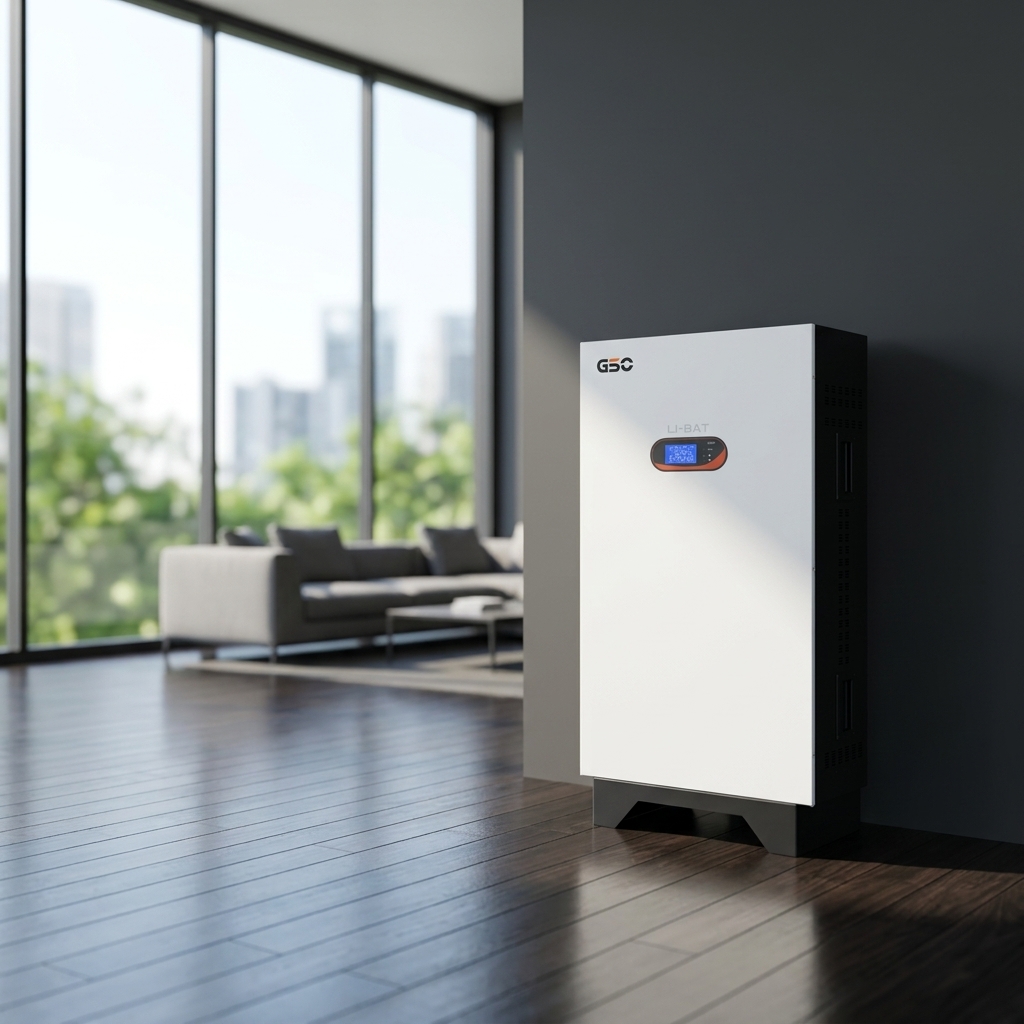
Cycle fade under continuous 1C charge/discharge exposes the weak points in heavy-duty solar storage: incremental capacity loss, rising internal resistance, and, ultimately, reduced usable energy. Field data and lab testing both show predictable trends when systems run sustained 1C—so operators can plan interventions rather than react. Early-stage mitigation favors design choices such as robust battery chemistry and active thermal control. For many installations, an integrated approach like all in one storage reduces variables that accelerate degradation, because packaging, inverter, and cooling are co-engineered instead of bolted together.
Key metrics to quantify degradation
Three industry metrics capture the most useful signals: cycle life (measured to a percentage of rated capacity), C-rate stress, and depth of discharge (DoD). Cycle life shows long-term decline; C-rate relates directly to instantaneous stress during a 1C profile; DoD determines how much of the pack is stressed each cycle. A practical monitoring stack includes cell-level state-of-health, a battery management system (BMS) that enforces safe limits, and periodic capacity tests. Hornsdale Power Reserve in South Australia provides a real-world anchor: its documented performance under heavy dispatch illustrates how system-level controls and maintenance preserve value even when batteries see frequent cycling.
Proven strategies that slow curve progression
Data favors a layered approach: choose LFP or similar chemistry with known cycle robustness, size the battery so average C-rate stays near or below 1C, and implement thermal management tied to ambient conditions. Active balancing driven by the BMS reduces cell divergence; conservative DoD windows limit stress. If you combine those with regular firmware updates and operational rules—such as avoiding full-depth daily cycles during extreme temperature events—the curve flattens. This is not theoretical: projects that paired conservative operational envelopes with coordinated inverter control reported measurable extension of usable cycle life.
Practical trade-offs and system-level choices
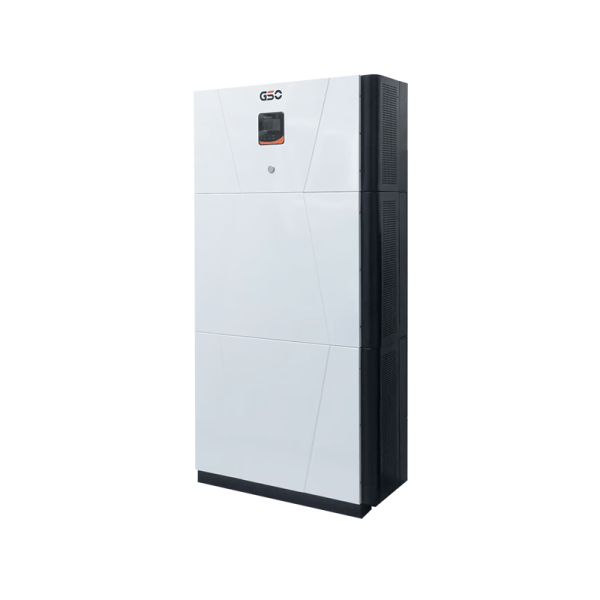
Mitigation is a balance between upfront capital and avoided replacement cost. Increasing capacity to reduce effective C-rate raises CAPEX but lowers degradation velocity. Tightening DoD reduces daily throughput but extends lifetime; sometimes the optimal choice is an integrated platform that streamlines those trade-offs. An all-in-one energy storage system often simplifies integration of thermal, electrical, and control elements—this reduces installation variance and the risk of uncoordinated components accelerating wear.
Common mistakes and viable alternatives
Installers frequently under-specify cooling, over-emphasize nameplate capacity instead of usable energy, or defer BMS feature activation. Those errors compound under continuous 1C duty. Alternatives include modular swapping strategies, redundancy in inverter staging, or hybrid operation that mixes load-shifting with frequency response to smooth demand peaks. A clear operations playbook prevents bad habits—simple constraints like automated DoD limits and scheduled capacity checks pay back over the system lifetime.
Advisory: three golden evaluation metrics
1) Effective cycle throughput per kWh of installed usable capacity — measures how much work the battery delivers before reaching end-of-warranty SOH. 2) Temperature variance across modules — a tight distribution indicates effective thermal design and predicts slower resistance growth. 3) BMS intervention rate — frequent protective events signal either misconfiguration or a systemic stressor that accelerates degradation. Use these to compare vendors, operations modes, and lifecycle projections.
Summing up: measured, system-level decisions reduce degradation under continuous 1C cycling. Choose chemistry and packaging that limit cell stress; enforce DoD and thermal controls via a capable BMS; and prefer integrated solutions that align hardware and controls. That approach preserves capacity, reduces unplanned replacements, and stabilizes lifecycle economics. Practical results follow data — and good design turns predictable decline into manageable maintenance.
gsopower offers integrated platforms that reflect these principles, delivering coordinated thermal, power conversion, and control strategies that make a measurable difference in cycle life. Final thought: plan for the curve — not for surprises.