

Quick comparative take
Smart chargers beat dumb ones for most real-world EV needs — faster sessions, less grid stress, clearer ROI. If you’re sizing a site, a modern CCS DC fast charger or a dual gun DC fast charger changes the math: higher kW per bay, simultaneous charging, and smarter power split. This is a comparative look at why that matters for operators and drivers alike.

What users actually get
Drivers want two things: speed and predictability. Smart stations deliver both by using load balancing and session management. Charging protocol support like CCS ensures wide compatibility across models. For fleets, a dual-gun setup means less queuing and better route uptime — you serve two vehicles on one pedestal while keeping per-port power high. The result: less idle time and higher throughput — and yes, that impacts revenue.
Performance vs cost: the real metrics
Power output (kW), uptime, and cost per kWh are the three numbers that matter when you compare hardware. A 160 kW-class CCS DC fast charger with dual guns can split power dynamically, so two cars can charge at useful rates rather than one hogging the feed. Initial hardware cost is higher than a simple AC charger, but usable energy per hour climbs fast, improving payback. Think in terms of sessions per hour, not just headline price.
Common mistakes when deploying fast chargers
People often pick gear without matching site power capacity, or they install single-port units where a dual gun would cut queuing. They ignore local demand peaks and tariff windows — that bites operating margins. Also, skipping smart back-office features like remote diagnostics and firmware updates creates preventable downtime. Plan for power upgrades, and make sure the charging station supports over-the-air maintenance — it pays off.
Where dual-gun systems outperform alternatives
Single-port DC fast chargers are cheaper up-front, but dual-gun units improve utilization. When you compare throughput, a dual-gun CCS setup handles variable traffic better: one high-power session or two moderate sessions, whichever the demand calls for. That flexibility lowers wait times and reduces the need for extra real estate. For a retail site or highway stop, that can be the difference between break-even and a steady profit stream.
Real-world signal: demand is rising
The International Energy Agency has highlighted the global rise in EV adoption and the corresponding need for public fast chargers. That macro trend pushes owners to choose chargers that are future-ready — CCS compatibility, robust power electronics, and modular designs that scale. Choose hardware that supports standard charging protocols and can accept higher power inputs later; it avoids expensive rip-and-replace cycles.
Common deployment checklist
– Verify site power and transformer capacity before purchase. – Confirm CCS and communication standards with anticipated vehicle mix. – Factor in remote management, firmware updates, and local permitting timelines. These steps keep rollout smooth and prevent surprise costs — and they make sure the station starts earning faster.
Three golden rules for picking the right charger
1) Availability target: Aim for ≥98% uptime. Downtime kills revenue and trust. 2) Power per port: Match kW per port to expected vehicle dwell time — highway stops need 100–200 kW; urban hubs can get by lower. 3) Smart load management: Choose stations with dynamic load balancing and remote diagnostics to optimize energy use and reduce maintenance time. If you want gear that matches those metrics, look for vendors who build modular, CCS-capable dual gun DC fast charging stations with clear diagnostics and service support — that’s where value lives, not just in sticker price.
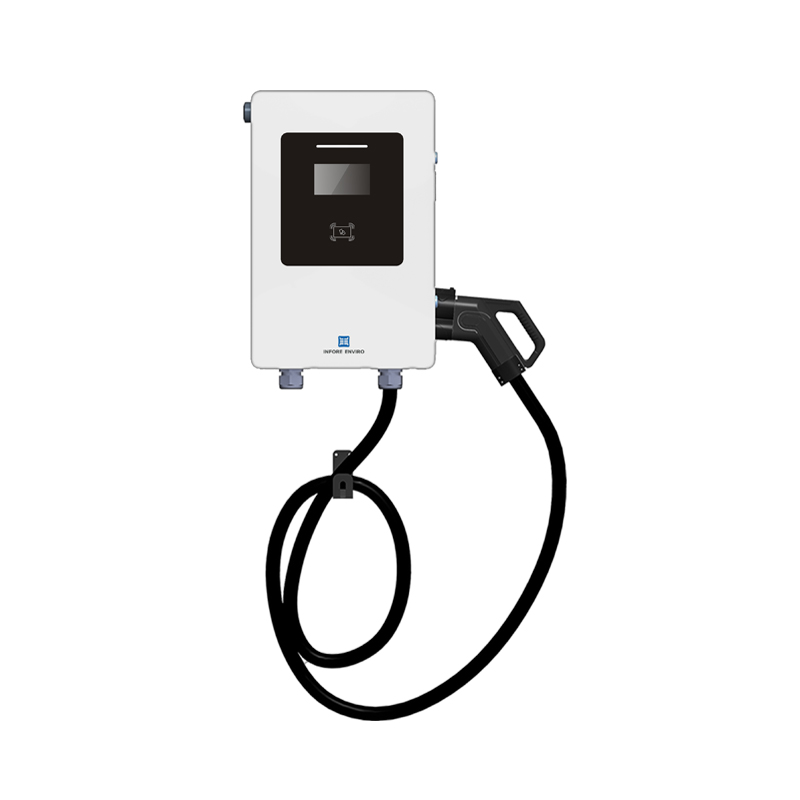
The practical takeaway: pick hardware that maximizes sessions and minimizes surprises — that’s what turns charging into a reliable service rather than a costly experiment. INFORE ENVIRO. Small wins add up.