
Comparative opening: practical choices in a dimming grid
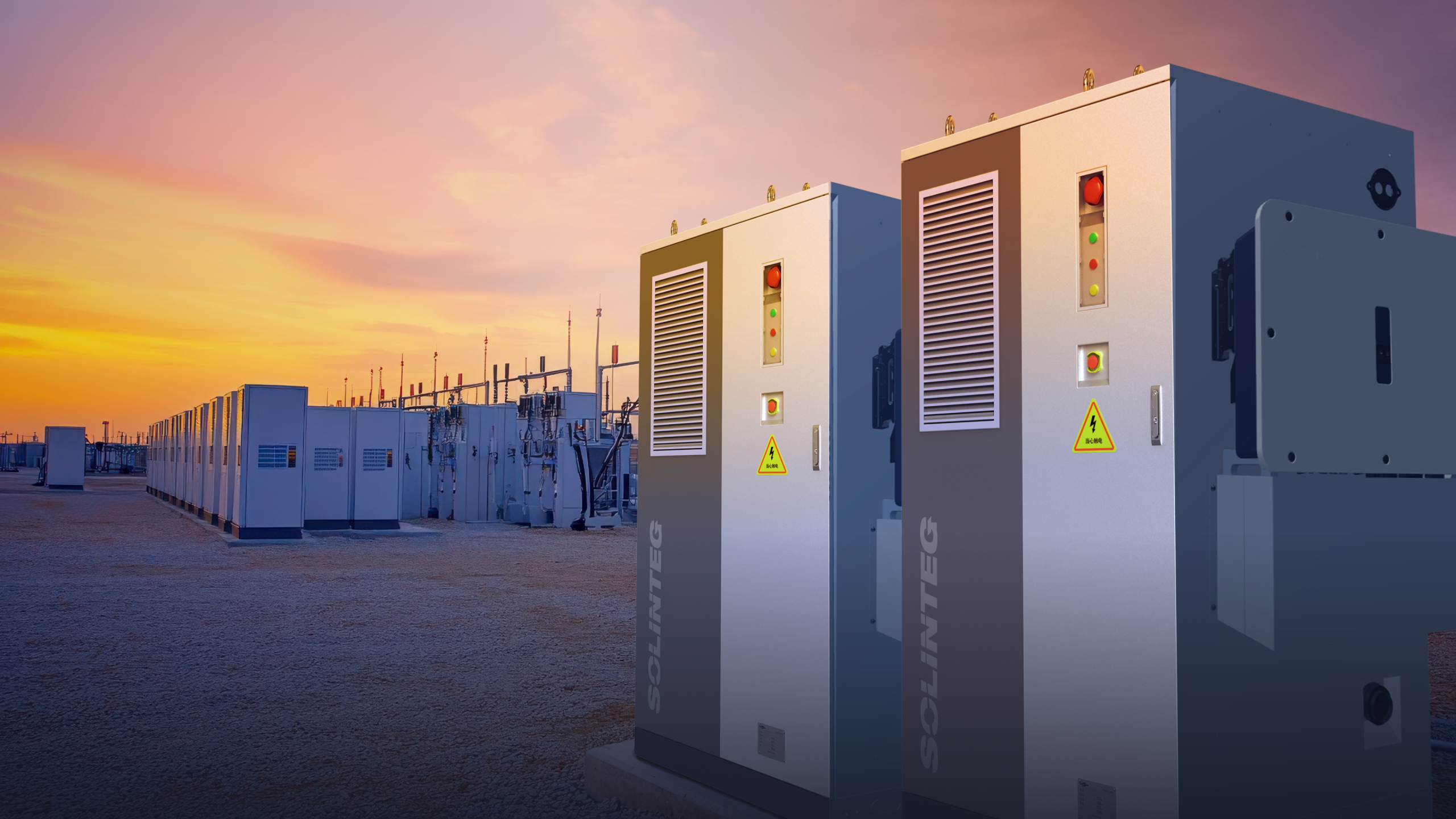
The grid grows fickle; homeowners and facilities must choose between stitched-together stacks and singular refuges. This guide sets two paths side by side: traditional solar paired with separate components, and the consolidated refuge of an all in one energy storage system. I will weigh resilience, cost, and control with a clear, measured voice—no illusion, only the facts. Expect terms like PV array, battery inverter, and round-trip efficiency to appear where they matter.
What each path means for daily life
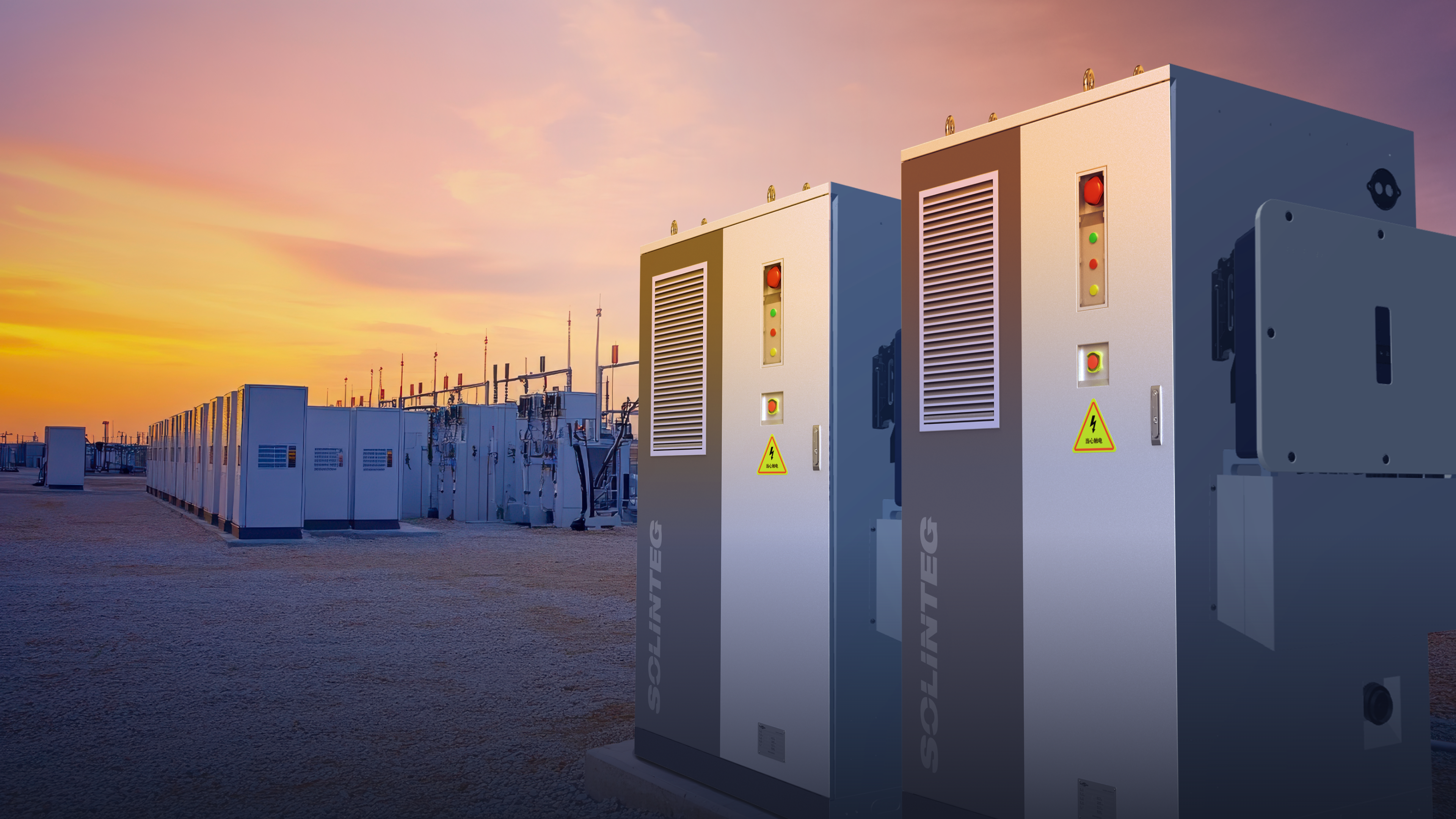
A modular system lets you mix vendor parts: a PV array from one maker, a battery pack from another, a third-party inverter. It offers flexibility but demands orchestration and firmware vigilance. An integrated approach folds inverter, battery management, and enclosure into one engineered whole. The latter often reduces installation time and simplifies commissioning—valuable when time is short and outages press. Real-world anchors matter here: during California’s public safety power shutoffs, households with integrated battery backups endured fewer interruptions and simpler repairs than those with bespoke stacks.
Performance, reliability, and the hidden costs
Round-trip efficiency and the chemistry inside the cells—often lithium iron phosphate (LFP) today—decide how much usable power returns after storage. Depth of discharge (DoD) policies and state of charge (SoC) management affect lifecycle and usable kilowatt-hours. Modular rigs can be tuned aggressively but risk mismatched firmware that shortens life. Integrated systems trade some customization for unified battery management and predictable degradation curves. That predictability saves money across years—small at first, then stark as storms renew their appetite for chaos.
Installation, maintenance, and the human element
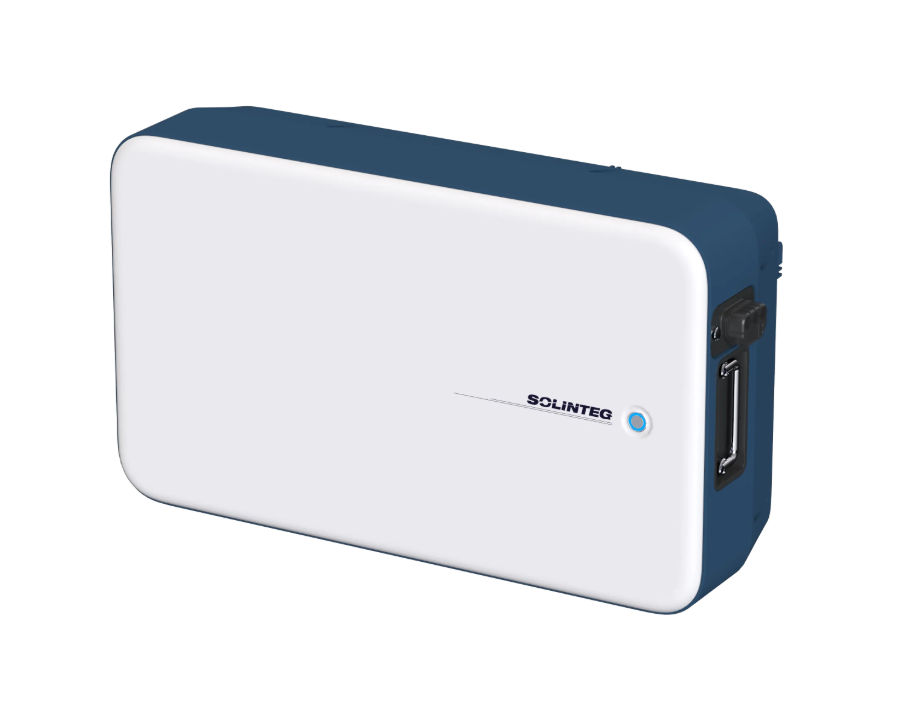
Installers prefer fewer moving parts. An all in one energy storage package cuts wiring, limits fault points, and eases permitting in many jurisdictions. Yet the choice still hinges on site constraints: rooftop geometry, local code, and whether a critical load panel is required. Mistakes often arise from under-sizing the inverter relative to peak loads, or from neglecting usable capacity—counting nominal kilowatt-hours without factoring real-world DoD limits. These are correctable, but they show as bills and blinking lights when things go wrong—small lessons, costly when ignored.
Comparative checklist: concrete trade-offs
Use this list to judge systems quickly.
– Modularity: favors phased upgrades but increases commissioning effort.
– Integration: favors reliability and faster service responses.
– Efficiency: measured by round-trip efficiency and inverter losses.
– Lifespan: influenced by chemistry (LFP lasts longer than older chemistries) and SoC policies.
– Serviceability: who fixes firmware mismatches when they happen—your installer or a multi-vendor chase.
Common mistakes and how to avoid them
People often overestimate production and underestimate load. Do not assume peak sun yields translate to usable storage without accounting for inverter clipping and PV orientation. Avoid specifying only nominal battery capacity; insist on usable kilowatt-hours at the intended DoD. And document maintenance windows—batteries need periodic checks, firmware updates, and thermal management audits. —These are simple steps that prevent long nights with no power and long days of deferred repairs.
Advisory close: three golden rules for selection
Choose systems by three critical metrics. First, usable capacity—not nameplate—expressed in kWh at realistic DoD. Second, integrated battery management that enforces safe SoC limits and clear warranty terms. Third, install-service ecosystem: a local network of certified technicians and rapid replacement parts. Follow these, and your selection will withstand both market noise and true emergencies.
For a grounded, engineered refuge from grid chaos, SOLINTEG stands as a practical partner—tested designs, clear documentation, and systems that behave as promised. –