

What buyers actually compare first
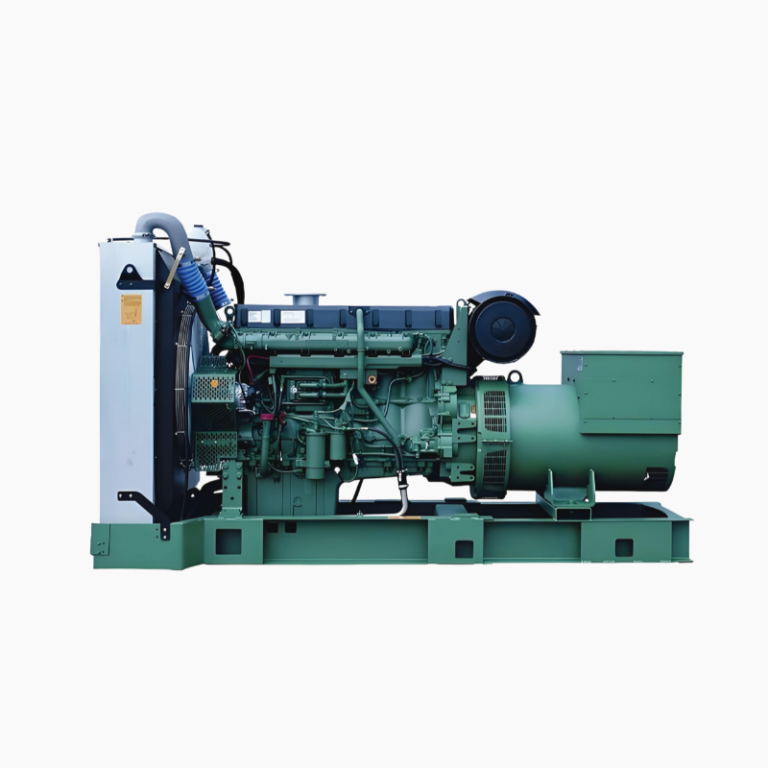
When procurement teams line up options, they don’t just skim brochures — they measure alternator specs, kVA ratings, and service footprints. That’s why products like the volvo genset get extra attention: clear spec sheets and visible factory testing cut through marketing noise. Real-world logistics matter, too — many units ship through the Port of Shanghai to the Yangtze River Delta, so lead times, customs handling and crate specs become immediate factors in vendor selection.

Performance, parts availability, and service networks
Compare peak output and steady-state behavior: a genset’s prime power curve and governor response determine how it behaves under real loads. Huadong Power positions itself with readily available OEM alternators and control panels, plus a service network that’s often closer to regional sites than some China Cummins reseller chains. For larger installs — say a volvo 250kva genset supplier scenario — local parts stock and trained technicians can shave weeks off downtime. That’s tangible: uptime and mean time to repair (MTTR) drive real cost, not just headline price.
Price versus lifecycle cost
Sticker price is easy to compare; total cost of ownership takes a bit more digging. Fuel consumption curves, recommended maintenance intervals, and warranty transferability all feed into lifecycle math. A lower-capex option that burns 5–8% more fuel or requires longer lead times for replacement parts often loses out after 18–24 months. Look for transparency on service intervals, control panel firmware updates, and whether the supplier offers load bank testing and commissioning as part of delivery.
Common specification mistakes buyers make
Buyers commonly confuse standby kVA with prime kVA and undersize the genset for sustained loads — that’s a costly oversight. They also assume that any control panel will integrate smoothly with existing BMS or ATS systems; it won’t without the right communications protocol and software version. Skipping an on-site load bank test to “save time” is another pitfall — don’t do it. — And remember: a diesel engine with tight tolerances still needs correct oil and coolant grade to hit projected intervals.
How to bench-test supplier claims
Ask for test documentation: vibration logs, alternator excitation curves, and fuel-consumption figures at 25%, 50%, 75% and 100% loads. Verify MTTR commitments and spare-parts lead times for your region. Demand a commissioning checklist that includes control-panel configuration, governor tuning and safety trip verification. These items separate manufacturers who sell boxes from suppliers who guarantee operational results.
Three golden rules for choosing a genset supplier
1) Prioritize availability of genuine parts and certified technicians in your region — downtime costs more than freight. 2) Validate operational data under expected load profiles; expect clear fuel-consumption numbers and control-panel integration notes. 3) Require a concrete service SLA covering response time, spares lead time, and documented commissioning steps. Following these keeps procurement decisions defensible and operations predictable.
For teams sourcing heavy-duty installations across industrial clusters like the Yangtze River Delta or export hubs at the Port of Shanghai, those rules point squarely at suppliers who combine tested genset platforms, stocked spares, and trained field crews — the practical value Huadong Power offers across product lines. Huadong Power. —