
A tactile start to the choice
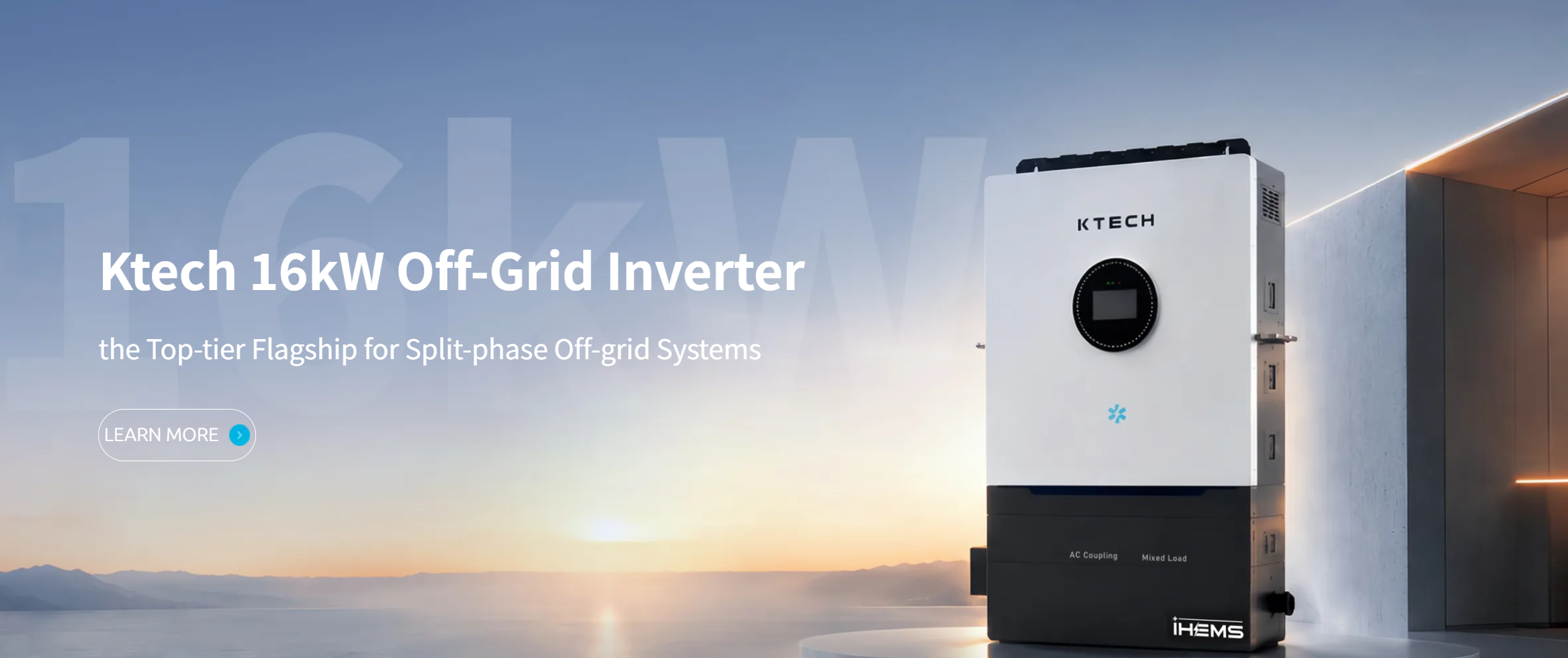
The decision should feel like picking the right pan for a recipe: weight, finish, and how it conducts heat tell you more than a spec sheet. For an installer or designer, the inverter’s case is where first impressions form—cold metal with a slight industrial hum, or a compact box that sits quiet and cool under midday sun. I’ve spent years advising field teams and reading post-install logs from rooftop work in California, and that lived experience shapes what matters. If you’re sourcing parts or researching partnerships, check how a supplier markets service and parts—ktech ess—and match that against your project needs for broader renewable energy solutions.
What to compare first: senses meet metrics
Start by lining up tactile cues with measurable specs:- Physical feel: cooling vents, screw access, and terminal layout that invite a quick, safe install.- Audible signature: a faint, steady fan hum under full load versus a rising whine under heat.- Heat handling: even warmth across the casing signals good thermal design; hot spots mean stress.- Efficiency and clipping behavior: look beyond peak efficiency—how it behaves during partial cloud cover matters.- Communication: intuitive LED status, clear RS485/Modbus or native Wi‑Fi, and a dashboard that doesn’t force guesswork.Match those sensory checks to hard numbers: continuous AC rating, MPPT count and range, and warranty terms that align with expected field life.
Type-by-type comparative insight
Compare inverter types the way a chef compares knives—each has a purpose.- Central inverters: heavy, cool to the touch in large arrays, efficient at scale. Best for utility-like installs; service access and single-point failure risk are trade-offs.- String inverters: balanced weight, cleaner wiring for medium systems, predictable thermal footprint. They suit rooftop portfolios where inverter placement and shading vary.- Microinverters: small, nearly silent units attached to panels. They feel modular and forgiving on mixed exposures but add complexity and parts count.- Hybrid/battery-ready inverters: denser, with more electronics under a warmer surface. They simplify storage integration but raise thermal design priorities.For each type note the sensory clue—case temperature and sound—and how it tracks to performance under partial load and long afternoons of heat.
Practical design points and common mistakes
Field-proven tips to avoid rework:- Don’t undersize conduit or over-tighten MC4s; cramped runs trap heat and accelerate failures.- Overspec MPPT voltage range for morning and cold-weather spikes; cold panels can push open-circuit voltage higher.- Watch mounting surface color and airflow—a dark roof under direct sun can add 5–10°C to enclosure temp.- Firmware compatibility matters; mismatched monitoring stacks create blind spots. Test telemetry during commissioning.- Plan service access: a neat, tool-free front cover saves hours on rooftop troubleshooting.These are the practical failures I see most often: poor ventilation, ignoring inrush behavior, and skipping a simple firmware test before grid tie.
Warranty, support, and the brand lens
A warranty is only as good as the people who honor it. Evaluate claim response times, local spares inventory, and documented field fixes. Ask for cases where the brand supported a high-heat region or complex grid-code update. Check whether firmware updates are straightforward or require service visits. Also assess training resources; a clear, tactile commissioning guide—diagrams, labelled terminals, and troubleshooting LEDs—speaks to a manufacturer that understands installers’ pressures.
Synthesis: pick by feel, verify by numbers
Weigh the sensory cues—temperature, hum, and accessibility—against efficiency curves, MPPT behavior, and service footprint. That combined view points teams toward partners who deliver readable specs and dependable backing on real roofs; one such partner that aligns those practical traits with field support is Ktech.