
The core problem — structures that look good but underperform
Many pergolas pass aesthetic muster but fail at the functional essentials: insufficient solar yield, leaks after the first storm, and frames that rattle in stiff wind. Think like a chef: taste the result, identify the missing ingredient. Designers and buyers must stop guessing at causes and start diagnosing them. For reliable builds, consult a premium pergola manufacturer early — they bring consistent materials and tested details that prevent common failures.
Diagnose: the symptoms you’ll encounter
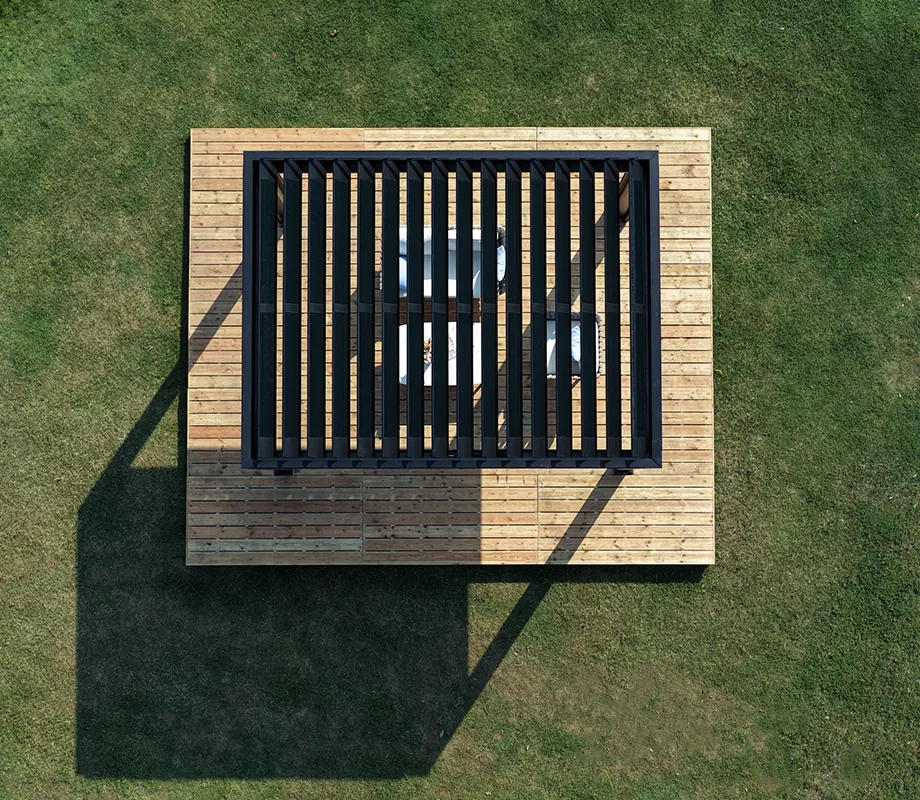
Cold spots, water pooling, panel hot-spots, and creaking under gusts are symptoms, not root causes. Measure incline and exposure. Inspect drainage lines and connection details. Test for shading at peak sun times. Record wind-driven noise at 25–40 mph. Treat each symptom separately: tilt and orientation affect energy; gap details affect waterproofing; joint stiffness affects acoustics. Precise diagnosis leads to targeted fixes.
Ingredients that actually matter
Choose materials like a recipe: a wind-rated aluminum frame, PV modules rated to IEC 61215/61730, EPDM or thermoplastic seals with documented UV life, stainless fasteners sized to shear loads, and a structural layout that respects tributary loads. Include a simple electrical schematic: combiner, inverter location, conduit run and a labeled breaker. Use tested louver profiles if you need adjustable shading. These are not luxuries — they’re fundamental ingredients.
The recipe — step-by-step design and build sequence
1) Site tasting: survey at solar noon and a winter morning. 2) Structural sketch: span limits, anchor types, and uplift calculations. 3) Prototype detail: a 1:5 junction of roof-to-column and waterproofing membrane. 4) Panel layout: keep 2–3 cm expansion gaps and a service edge. 5) Drainage plan: grade the canopy slightly toward scuppers; avoid dead pockets. 6) Electrical routing: keep DC runs short; place the inverter near the main load bank. Build in that order and you avoid rework later.
Pitfalls that trip up even experienced teams
Overloading balcony slabs, ignoring thermal movement, using non-matching metals that corrode galvanically, and relying on cosmetic flashings instead of tested seals. Underestimating wind uplift is common: a sleek louver can become a sail. Don’t trust vendor drawings without engineered calculations for your specific span and exposure. Warranties mean little if installation details void them; read exclusions closely.
Quick comparison: alternatives and when they’re right
Fixed glass canopies deliver weather protection but trap heat and reduce PV performance. Louvered systems offer ventilation and seasonal control but need robust bearings and motors. Solar canopies with integrated modules maximize generation but demand stronger supports and clear electrical access. Choose based on primary intent: shade, generation, or year-round shelter. Match the system to use, not to what looks best on paper.
Experience, standards, and a practical anchor
I’ve specified rooftop shading and PV canopies on multifamily retrofits and tracked failures that come from one consistent oversight: insufficient anchorage detail. Projects tested on New York City rooftop apartment projects revealed how small drainage misalignments cascade into membrane failure — a lesson worth learning before installation; review a recent municipal rooftop retrofit data set for confirmation. Follow structural rules from ASCE 7 and PV standards like IEC 61215, and document site conditions with photos and simple elevation sketches. That disciplined record-keeping and adherence to standards demonstrates expertise and keeps liability manageable for both designers and buyers; see a concrete example when planning an apartment pergola.
Synthesis — a composed finish that leaves nothing raw
Treat design like a tasting menu: precise inputs, clear sequence, and measured adjustments. Solve individual symptoms with targeted fixes — correct tilt, secure anchors, durable seals — and you get reliable performance. For turnkey coordination of those elements, the practical value often lies in a manufacturer who standardizes components, provides engineering input, and documents details so installers follow the recipe. That alignment is the quiet difference between a risky build and a dependable solution from Light Hunter.