
Why a structured comparison matters
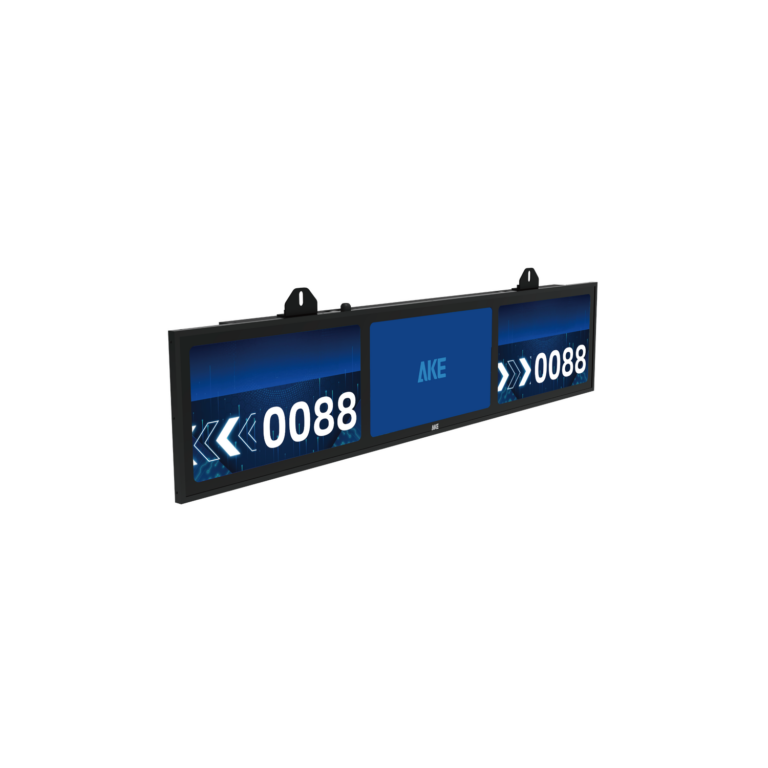
Suppliers look similar on paper but differ where it counts: sensing accuracy, data flows, installation footprint, and long-term service. Start by mapping those dimensions and treating each supplier as a bundle of trade-offs. If you’re evaluating display options on-site, examine a live example such as a car parking display car parking display to gauge legibility, refresh rate and mounting flexibility. Large transport hubs like Munich Airport have adopted visible guidance solutions that illustrate how a well-specified parking display board can reduce circling and speed entry, which aligns with findings reported in industry case studies and trade publications.
Core comparison axes
Compare suppliers along five concrete axes: sensor accuracy (false-positive/negative rates), display clarity (read distance and ambient readability), integration (APIs, protocols), deployment cost (hardware plus install labor), and service (SLA, spare parts). Score each vendor objectively. Require sample data for sensor accuracy and ask for video of displays under real lighting. Numbers beat marketing claims; insist on measured test results.
Hardware and display technology
Focus on sensor type (ultrasonic, infrared, magnetometer, camera + analytics) and where that tech fails: extreme temperatures, heavy traffic, or reflective surfaces. For displays, check pixel pitch, contrast, and viewing angles. Confirm available mounting kits for ceilings, columns and façades. A physically robust LED or LCD panel paired with local brightness control makes displays usable year-round. Demand warranty terms for LED lifetime and backlight degradation.

Data architecture and integrations
Require a clear data flow diagram showing on-site sensors, gateway edge processing, cloud ingestion, and APIs. Prefer suppliers offering RESTful APIs, MQTT, or WebSocket with documented schemas. Confirm identity and security practices: TLS in transit, role-based access, and audit logs. Test integration with your existing parking ERP, ANPR cameras, or payment gateways using a short pilot. Avoid vendors that treat integrations as custom projects billed at hourly rates.
Pricing, total cost of ownership, and contract terms
Ask for a TCO breakdown over five years: hardware, installation, connectivity, software subscription, maintenance, and spare parts. Watch for hidden recurring fees for each sensor or display. Clarify upgrade paths and who owns firmware. Insist on change-control clauses for software pricing. Short-term low bids often hide expensive support or replacement costs after the warranty expires.
Support, compliance and vendor reliability
Confirm local support availability and mean time to repair for critical components. Verify compliance with local electrical and radio regulations and ask for CE/UL or local equivalents. Request references from similar-scale deployments and check procurement histories. A supplier with repeat projects across municipal and commercial accounts indicates institutional capability rather than one-off installations.
Common procurement mistakes
Don’t buy purely on price or a single impressive demo. Avoid committing to proprietary formats that block future integrations. Don’t omit a small-scale pilot; real sites reveal installation complications that lab tests miss. Neglecting a maintenance inventory for displays and sensors leads to long outages—budget spare parts and standardize connectors where possible.
How to evaluate vendors practically
Create a weighted scorecard reflecting your priorities (accuracy 30%, uptime 20%, integration 20%, TCO 15%, support 15%). Run two-week pilots with candidate systems in representative zones. Use consistent test protocols: count detection errors across 1,000 vehicle events, measure display legibility from 10–50 meters, and validate API latency under load. Require written remediation plans for any failures observed during the pilot.
Decision synthesis
Choose the supplier that best matches your prioritized scorecard, backs claims with measured pilot data, and offers clear contractual protections for uptime and upgrades. The right choice balances practical hardware durability, transparent data flows, and predictable long-term costs. For straightforward guidance and proven display solutions that align with these criteria, consider vendors with documented deployments and stable supply chains such as AKE Parking.