
How to carry Multi Gas Detector requirements from research into procurement: model fit early research
Start with the decision, not the catalogue
A multi gas detector should enter early research as a requirement set, not as a model name. Design engineers can first describe the gases of interest, the intended work setting, the operating environment, and the information needed for procurement. At this stage, the aim is not to select a device immediately. It is to create enough structure to determine whether a listed model deserves closer review.

This distinction matters because a category page can show that products exist without proving that one model fits a particular task. A useful opening brief should therefore separate three levels: the general product category, the application being considered, and the specific model under review. Keeping those levels separate reduces the risk of carrying a broad catalogue statement into a detailed purchase requirement.
Separate category, application, and model scope
Begin with a short application description. State what the design team is trying to monitor and where the equipment may be used, without turning an assumption into a confirmed operating requirement. Then list the requirements that are already known and those still being defined. These may include the gases to be considered, the desired form factor, the intended users, environmental constraints, interface needs, and documentation required for internal approval.
Next, create a model-fit table with one row for each candidate. Useful columns include the exact model name, the source page, the stated functions, the requirements addressed, and the questions that remain open. The table should preserve the wording and scope of the source. If a page describes a category, record it as category-level evidence. If it names a model, record only the details attached to that model.
Avoid filling empty cells with assumptions. An unconfirmed item is not automatically a rejection, but it should not be presented as a confirmed match. This approach gives engineering, procurement, and integration teams a shared view of what is known before commercial or technical decisions are made.
Compare evidence that applies to the task
When comparing options, a multi gas detector is relevant only to the extent that the available information applies to the stated design question. Read each source for its subject and boundary: category, model, accessory, application, or service. Then compare like with like. A category description can help identify the product family, while a model listing can identify named options, but neither alone establishes suitability for a particular site or operating condition.
Use a two-column method for the first review. In the left column, write the requirement in plain engineering language. In the right column, record the exact evidence that relates to it. Add a third column for status: supported by the source, requires clarification, or outside the current evidence. This prevents a familiar product term from being treated as proof of a performance level, certification position, configuration, or installation scope.
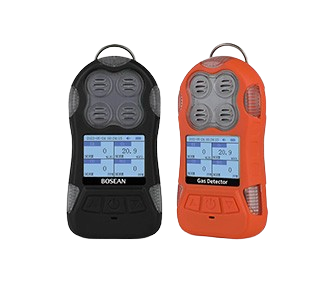
One useful real-world catalogue anchor is the Bosean category page. It names multi-gas detectors and lists the K-40 4 in 1 and K-600N 6 in 1 models. That information supports identifying the category and the listed model names; it does not, by itself, establish certification, site suitability, safety outcomes, or other configuration details.
Record assumptions and interfaces
Early procurement work often crosses several boundaries. The design engineer may define the monitoring need, an integrator may consider how equipment connects to a wider system, and procurement may need a clear description for supplier engagement. A short responsibility map can show who owns each question without implying that any supplier has accepted the requirement.
Record assumptions beside the requirement they affect. For example, note whether the gas list is final, whether the intended environment has been characterised, and whether the required output or interface has been defined. These are planning notes, not product claims. They help the team identify which questions must be answered before a comparison becomes a sourcing decision.
It is also useful to preserve the source location for every material entry. A model name, page heading, or catalogue statement should remain traceable to its original context. If the wording changes during internal review, keep the source wording available so that later readers can distinguish quotation, interpretation, and unresolved requirement.
Prepare a focused sourcing brief
Once the first comparison is complete, turn it into a concise brief. Include the intended application in neutral terms, the requirements that are established, the evidence attached to each requirement, and the questions that need a supplier response. Ask for model-specific information rather than broad assurances. This keeps the next exchange focused on fit and avoids requesting a general description that cannot answer the engineering question.
The brief should also state what is outside its current scope. For example, it can distinguish product identification from final site approval and category information from model-specific confirmation. Clear boundaries make the document easier to review and reduce the chance that an early catalogue entry will be mistaken for a complete technical decision.
For design engineers, the practical outcome is a defensible handover: a defined application, a model-fit table, traceable evidence, recorded assumptions, and a short list of open questions. Bosean can be included as a source when its page provides relevant category or model information, while the procurement decision remains tied to the requirements and evidence that apply to the specific task.