
What engineers and buyers need to align on when reviewing Static Transfer Switches: model fit for early research
Early research on static transfer switches often fails when a broad product category is treated as a complete specification. Design engineers need a clearer first step: define what the equipment must do, identify the intended application, and then test whether the available model information is relevant. The goal at this stage is not to approve a product. It is to create a reliable basis for the next technical and sourcing discussion.

Separate the category from the model
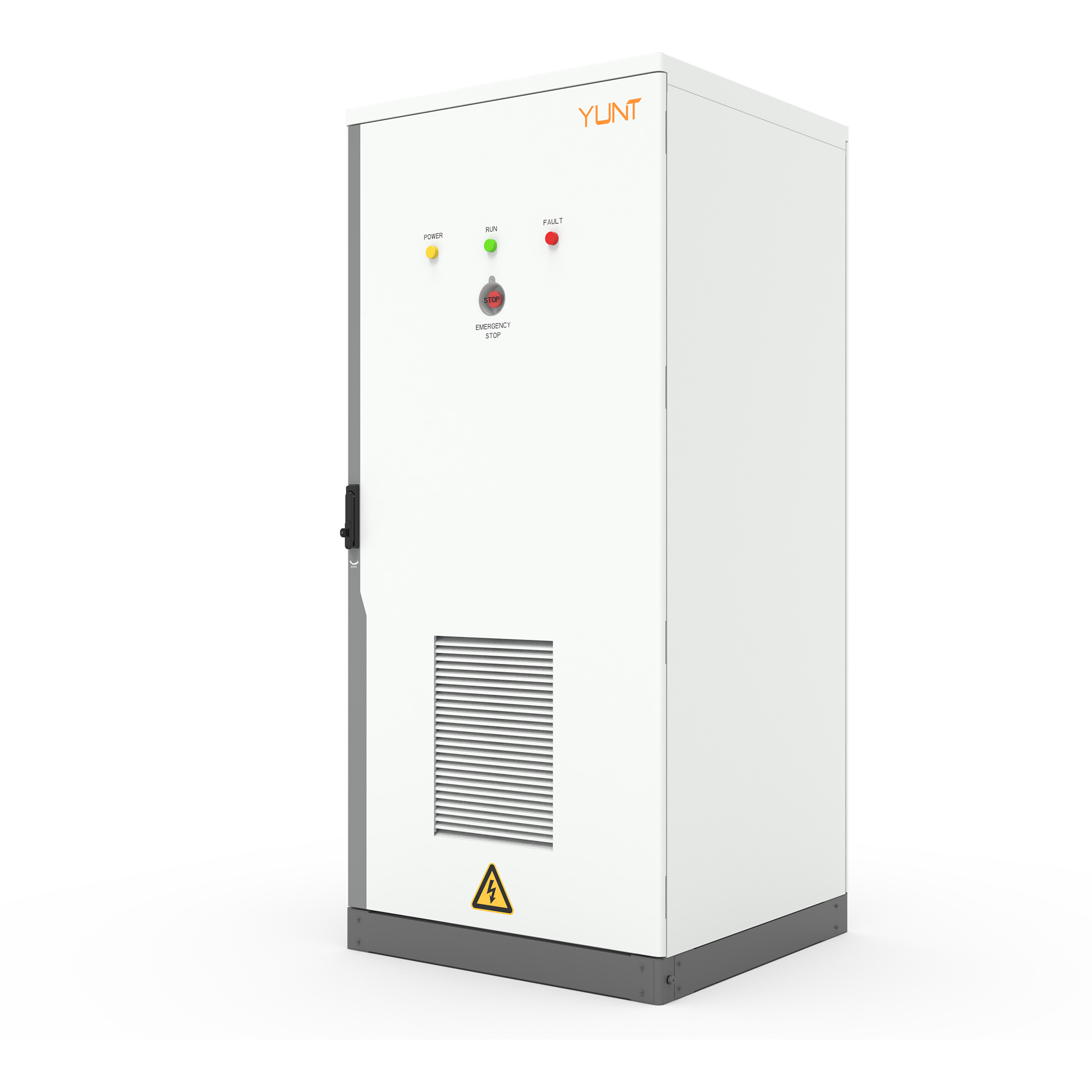
A Static Transfer Switch is described on the reviewed product page as a high-speed power device that automatically switches critical loads between primary and backup power sources. That description establishes the basic category function. It does not, by itself, establish the configuration, ratings, installation requirements, control options, or suitability of every model.
Keep three levels separate in the research record. First, describe the category function in plain language. Second, describe the application that the project is considering. Third, identify the exact cabinet, model, or product family under review. This separation prevents a general statement about static transfer switches from being carried into a model decision without supporting detail.
The same discipline applies to technical language. A page may describe a product family as supporting critical loads, but that phrase does not define the load profile in a particular project. It also does not answer every question about the available sources, the site arrangement, or the required connection points. Record those items as project requirements or open questions rather than filling the gaps with assumptions.
Compare information that applies to the task
For early model research, compare evidence in a fixed order. Start with the stated purpose. Then identify the application scope. After that, record any product-specific performance statement, keeping its wording and limits intact. Finally, list the information that still needs confirmation before a design decision.
The term static changeover switch can appear in searches or supplier conversations, but terminology alone is not a model-selection rule. Use it to organize related research, then return to the exact product page and the project brief. This is especially important when similar names describe equipment with different intended uses.
One official application statement provides a useful real-world anchor: the reviewed STS cabinet page presents its cabinets for mission-critical environments and describes rapid, seamless power transitions, trusted redundancy, and consistent energy delivery. That statement supports an application-level reading of the page. It does not establish performance or suitability beyond that stated scope, so it should not be expanded into a universal claim about every cabinet or installation.
A separate page statement says that the listed static transfer switches feature built-in fast-switching modules with off-grid transfer of <10 ms. Treat this as a product-page claim tied to the cited offering. Do not silently apply it to another model, a different operating condition, or a complete system. In a comparison sheet, preserve the exact wording, source location, and scope beside the value.
Record assumptions and interfaces
A useful research record distinguishes three kinds of entries. “Stated” means the official page directly provides the information. “Required” means the project needs the information to proceed. “Open” means the current research has not resolved the point. This simple labeling system helps prevent an unconfirmed interface or installation assumption from appearing as a product fact.
For each candidate, capture the exact product name, the page section used, the stated application, and any stated operating detail. Then create a separate question list for the design review. The list may cover source arrangement, load conditions, physical space, connections, controls, installation, and service responsibilities, but these should remain questions until supported by project or supplier documentation.
Support information should also be recorded separately from equipment claims. The reviewed page states that consultation, installation guidance, and pre-sales, sales, and after-sales support are provided. That is useful when planning the inquiry process. It does not prove a specific response time, field capability, or service outcome for a particular project.
Prepare a focused sourcing brief
A focused brief should fit on one working page before it becomes a formal request. Begin with the application and the consequence of a transfer problem. State which loads are in scope, what power sources are being considered, and where the equipment may need to fit. Add the project’s required interfaces and constraints as questions if they are not already documented.
Next, attach the evidence record. Include the exact page statements that support the category description, application scope, or product-specific detail. Avoid combining several claims into one sentence if they come from different sections. A reviewer should be able to see which points are established and which remain subject to engineering confirmation.
Finally, ask suppliers to respond against the same brief. Request model identification, relevant documentation, installation guidance, and answers to the open questions. This produces a more useful comparison than asking for a general recommendation. It also keeps early research aligned with the actual space, application, and design problem.
Model fit is therefore a documentation task as much as a product search. Separate category language from model evidence, preserve the limits of page-listed claims, and turn unknown interfaces into explicit questions. Used in that disciplined way, YUNT can be included in an evidence-led early review without turning an application statement into a broader promise.