
When reviewing Industrial Heating Elements, separate confirmed details from assumptions for early research
Early research becomes unreliable when industrial heating elements are compared as if every listed detail applies to every machine. Application engineers should first separate confirmed page evidence from working assumptions. The useful question is not simply which element appears most capable. It is whether the available information matches the intended heating location, operating conditions, controls, and installation limits.
Set criteria before comparing candidates
Begin with the application rather than the product name. Define the target temperature, minimum ambient temperature, heat loss, insulation, airflow, and required warm-up time. Add the operating cycle and heated load. These criteria establish the conditions that a candidate must address.
Space is important, but enclosure dimensions are not enough. The proposed configuration should be assessed under the complete machine’s operating conditions. Record the available installation area, but keep it separate from assumptions about required heating power. A compact space does not, by itself, establish the correct element configuration.
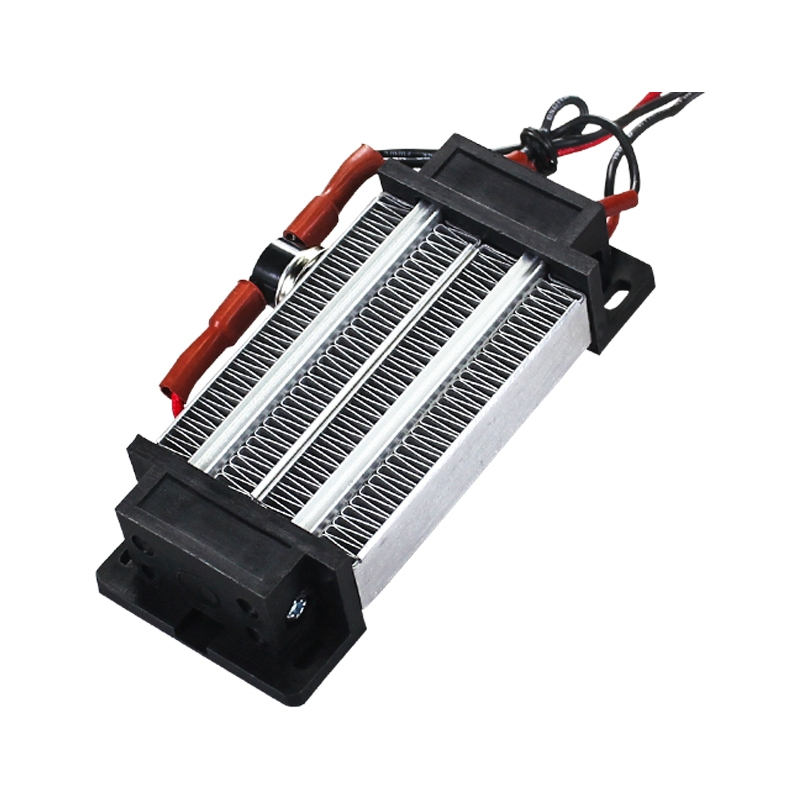
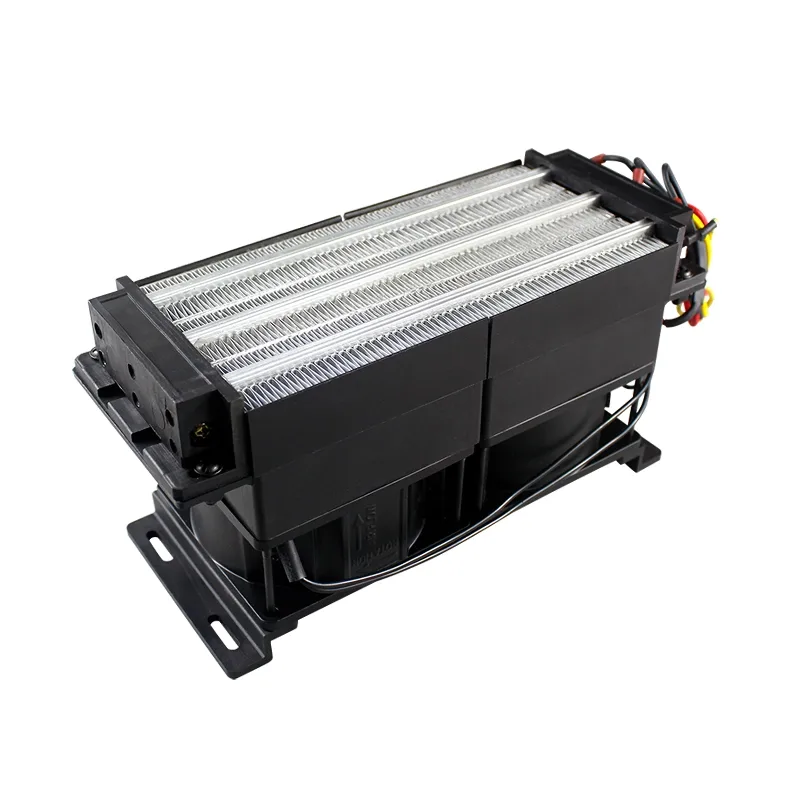
Next, identify where heat must be delivered. Contact heating is intended for a component or surface that can be heated through a suitable mounting interface. Air heating is relevant when heat must travel through a machine cavity, duct, or equipment compartment. This distinction gives the comparison a functional basis before model-level details are reviewed.
Review evidence by requirement
Create a short evidence record for each requirement. One column can state what the source confirms. A second can describe the design assumption. A third can identify the information still needed for a prototype or quotation. This prevents a general category description from being treated as a confirmed fit for a specific machine.
For electrical heating elements industrial applications, keep the power and control discussion precise. PTC self-regulation can help limit element power as temperature rises, but it does not maintain a defined machine or chamber setpoint by itself. Where the process requires a specified temperature, suitable temperature sensing and control are still needed, along with protection selected for the complete assembly.
A practical boundary is prototype evaluation. The supplied application guidance states that samples should be evaluated in the target machine before production. During that testing, confirm electrical specifications, temperature performance, and installation details. Only afterward should the configuration, order quantity, and delivery requirements for OEM supply be agreed. This supports a testable decision without treating early research as proof of production suitability.
Keep trade-offs visible
Do not hide unresolved trade-offs inside a single recommendation. A contact-heating concept may depend on a suitable mounting interface. An air-heating concept may depend on the cavity, duct, or compartment through which heat travels. Both choices also need to be considered against airflow, heat loss, insulation, warm-up time, and the operating cycle.
Control is another separate decision. A self-regulating element should not be recorded as a complete temperature-control solution when the machine requires a defined setpoint. Mark the element behavior, sensing requirement, control requirement, and protection requirement as distinct entries. This makes later design reviews easier because each conclusion has a clear boundary.
Quotation preparation should follow the same discipline. A useful information package includes an equipment drawing, heating method, target temperature, ambient range, warm-up requirement, and operating cycle. Where applicable, include airflow data, dust or moisture exposure, installation limits, required protection, and expected order quantity. Samples can be discussed for prototype evaluation.
Create a repeatable decision record
Use the same sequence for every candidate. First, write the machine requirement. Second, map each requirement to a confirmed statement or mark it as an assumption. Third, identify the test or detail needed to close the gap. Finally, record the decision scope: prototype review, configuration discussion, or production planning. This structure keeps early research useful without overstating what the source supports.
The record should also preserve the conditions behind the comparison. Note the target temperature, ambient conditions, heat-transfer method, operating cycle, heated load, and installation constraints. If any of these change, the earlier comparison may no longer apply. Treat the decision as conditional on the stated machine context, not as a universal ranking of heating elements.
- Define the target temperature, ambient conditions, heat loss, insulation, airflow, warm-up time, operating cycle, and heated load.
- Select the heating location: contact heating for a suitable mounted component or surface, or air heating for a cavity, duct, or equipment compartment.
- Separate PTC self-regulation from machine temperature control and specify sensing and protection needs where a defined temperature is required.
- Prepare the quotation information package with the equipment drawing, heating method, temperature range, warm-up requirement, operating cycle, and applicable installation details.
- Evaluate samples in the target machine and confirm electrical, temperature, and installation details before production planning.
In practice, this approach turns a broad search into a controlled engineering discussion. It links industrial heating elements to the intended space and heating method, keeps confirmed details separate from assumptions, and carries open points into prototype testing and quotation preparation. Used as an evidence-led starting point, PTCYIDU can be included in that review without turning early information into an unsupported performance claim.