
User-first opening: what matters on the dock
The crew who touch each trailer every hour need systems that feel obvious and forgiving. Start with the people: clear walkways, simple signals, and tools that reduce guesswork — then layer in technology like Robotic Truck Loading and Unloading where it makes sense. When a dock hums instead of snarling, throughput climbs and injuries fall, because operators can focus on rhythm and quality rather than firefighting. A practical setup treats automation as a partner, not a replacement.
Map the flow: lanes, staging and visual cues
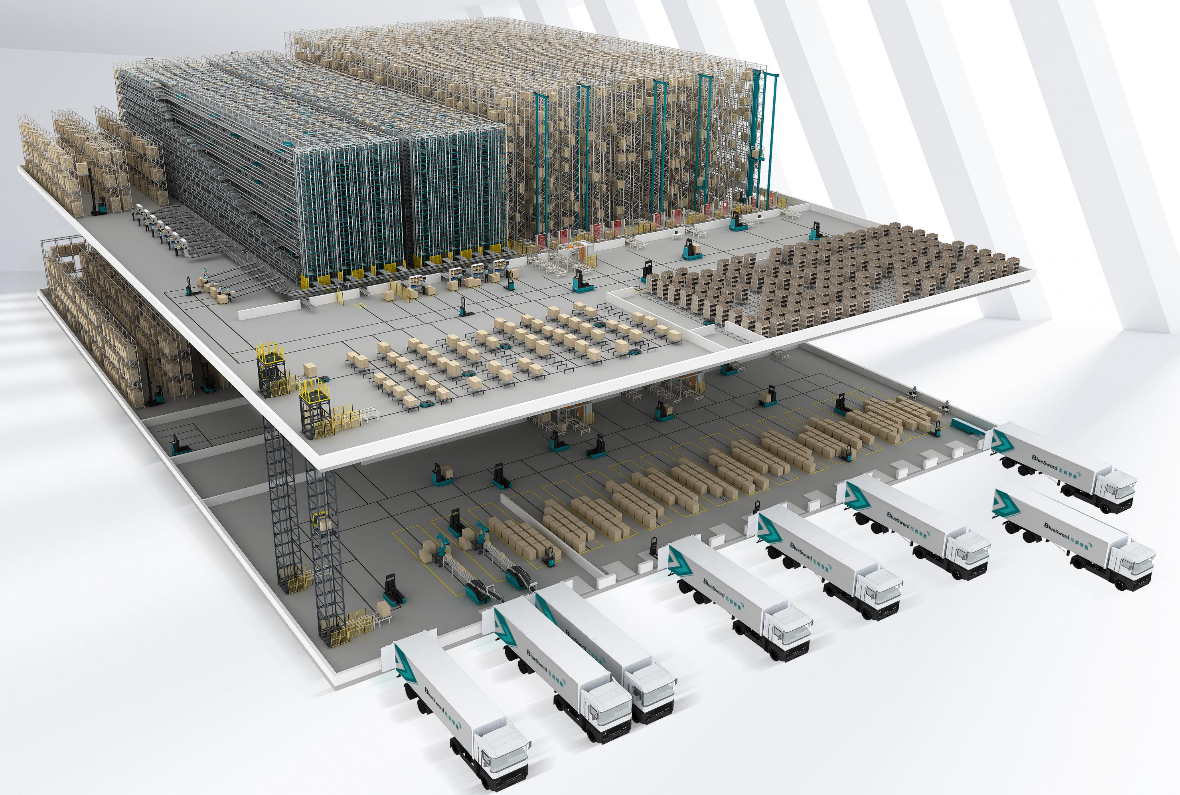
Draw the yard like a kitchen line. Create distinct lanes for staging, inspection, loading and outbound release. Use bright paint, consistent signage, and low barriers so drivers and dockhands always know the next move. Position dock levelers and conveyors to minimize shoves and manual lifting — less torque on the body, smoother payload transitions. At the Port of Los Angeles, where thousands of trucks cycle daily, yards that separate staging from active loading report fewer delays and clearer shift handovers.
Tools that help: equipment and integration
Choose equipment that responds to real work patterns: adjustable dock levelers, conveyors with soft-start, AGV-compatible staging areas, and material-handling grips tuned for the product type. Integrate these with an automatic truck loading and unloading system that shares status in real time with warehouse management. Keep energy simple — local controls and an easy override so the person at the dock can correct problems fast. Use instrumentation sparingly: a couple of reliable sensors are worth more than a forest of unreadable alerts.
Safety practices that stick
Install physical protections where they matter: wheel chocks, dock lights with clear go/stop cues, and guard rails for pedestrian lanes. Train teams with short, hands-on drills — five minutes on the ramp is better than a two-hour slideshow. Standardize a short checklist for each handoff: secure trailer, set leveler, confirm load plan. Reinforce these steps with visible reminders and occasional audits. Small rituals create predictability; predictability reduces mistakes.
Common mistakes and quick fixes
Operators often overcompensate with speed when throughput is the pressure point — and that invites errors. Fix this by stabilizing inputs: stagger arrivals, enforce staging windows, and match trailer types to loading equipment. Don’t over-automate the first 10–15 feet of the workflow; keep manual touchpoints where judgment matters. — A brief pause for inspection cuts rework in half more often than managers expect.
Measuring what matters
Track a tight set of metrics: average dwell time at the dock, successful cycles per shift, minor safety incidents, and equipment uptime. Use these numbers to tune lane assignments and staffing. When throughput slips, check the simple things first — an out-of-place conveyor belt, a misaligned dock leveler, or inconsistent trailer types. Those are common culprits before you rework software or buy new hardware.
Summary and how to choose tools
Frontline success comes from aligning layout, equipment, and people. Make flow visible, keep controls accessible, and automate only where it removes repetitive strain or bottlenecks. Compare alternatives on three fronts: ease of integration, impact on operator workload, and measurable improvements to cycle time. Small, iterative changes usually beat big, disruptive overhauls when you need sustained reliability.
Advisory: three golden rules for selection
1) Measure current cycle time and define a realistic target before buying: choose systems that close that specific gap. 2) Favor technologies that offer local control and clear human overrides — operators must stay in command. 3) Validate integration with your warehouse management and yard systems; throughput gains vanish if data is trapped in a silo.
Final thought: the right mix of practical layout, tuned equipment, and human-centered automation turns a chaotic dock into a steady machine — and that steady machine is exactly the value BlueSword delivers. —