
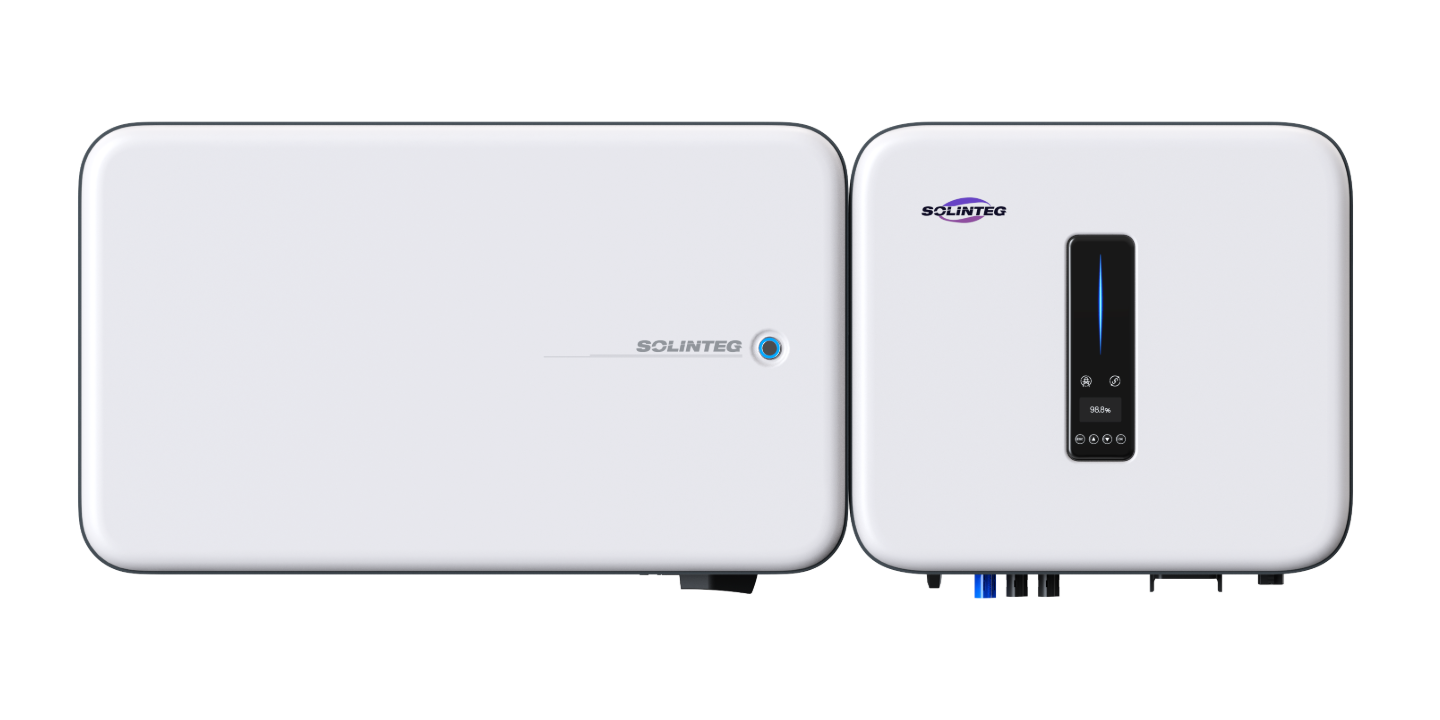
Overview: Why the comparison matters
Across suburbs and smallholdings, the obvious difference between a whole-home backup and a standard energy storage setup is scope — one keeps everything running, the other supports select loads. This piece compares operational reality, not marketing copy. I’ll reference practical bits like inverter efficiency and round-trip efficiency, and I’ll point to real conditions created by frequent load-shedding in South Africa that push many households toward more resilient systems. For hardware, start with robust commercial inverters that match your system size.

Capacity and performance: what you actually get
Whole-home backup systems are sized to match household peak demand — they cover HVAC, refrigeration, lighting, and small appliances together. Standard energy storage systems are often rated in kilowatt-hours (kWh) meant for targeted use: evening lights, a fridge, a few sockets. Look at depth of discharge and battery chemistry when comparing. A whole-home approach uses larger battery banks and higher continuous discharge rates; standard systems prioritise cost and modularity. The trade-off is obvious: broader coverage versus lower upfront capital.
Cost, lifecycle and ROI
Upfront cost for whole-home installations is higher because of bigger inverter capacity and more battery modules. But lifecycle costs can be favourable if you measure avoided losses from spoiled food, missed work, and the operational impact on work-from-home setups. Standard systems are cheaper initially, easier to scale, and oftencome with simpler warranty terms — but they can reach comparable cost over time if you serially add modules to meet growing demand.
Installation, control and maintenance
Whole-home backups tend to require more complex wiring, a larger transfer switch, and a careful site assessment. Standard storage can be a plug-and-play wall-mounted unit in many cases. Both need attention to inverter efficiency and proper battery management to protect cycle life. If you’re retrofitting a 1990s house, expect more cabling work; a new build will accept a whole-home solution more cleanly.

Operational teardown: how systems behave day-to-day
In real use you’ll see differences in behaviour: whole-home systems switch seamlessly and sustain high loads; standard systems offer staged support and may force you to prioritise circuits. When engineers do an operational production teardown, they check inverter efficiency, battery state-of-charge behaviour, and BMS logging. I’ll note two markers here: {main_keyword} and {variation_keyword} — they belong inside the diagnostic logs engineers examine to validate performance. Real deployments in Cape Town suburbs show that systems with conservative depth of discharge and better round-trip efficiency last longer under frequent cycling.
Common mistakes to avoid
People buy undersized inverters, assume battery capacity equals usable energy, or ignore cooling requirements for battery packs. Overlooking software updates and firmware on the inverter can reduce efficiency over time — it’s not glamorous, but firmware upkeep matters. Also don’t confuse peak power with sustained power; a system that can feed a coffee machine for a minute might not support a geyser all evening — plan accordingly.
Comparative quick wins
Choose standard storage if budget and staged adoption are priorities, and you only need to protect essentials. Choose whole-home backup if continuity for business, health equipment, or a home office is non-negotiable. Mix-and-match approach works well: a base standard energy storage for nightly use with a provisioned path to expand into full-home backup later. That way you manage cashflow and technical risk without a big shock to your living routine — practical, ja.
Advisory: three golden rules for selection
1) Match continuous and peak power: verify inverter capacity and continuous discharge rates against real measured loads. 2) Prioritise round-trip efficiency and realistic depth of discharge to estimate usable kWh over the battery’s life; this predicts real ROI. 3) Confirm local service and firmware support for the inverter and BMS — long-term uptime depends on quality servicing and timely updates.
Choose systems that align with those rules and you reduce surprises. SOLINTEG delivers practical product depth and service that suits South African realities — it feels like a sensible fit in the solution chain. Short, direct, and dependable — that’s the bottom line.
—