
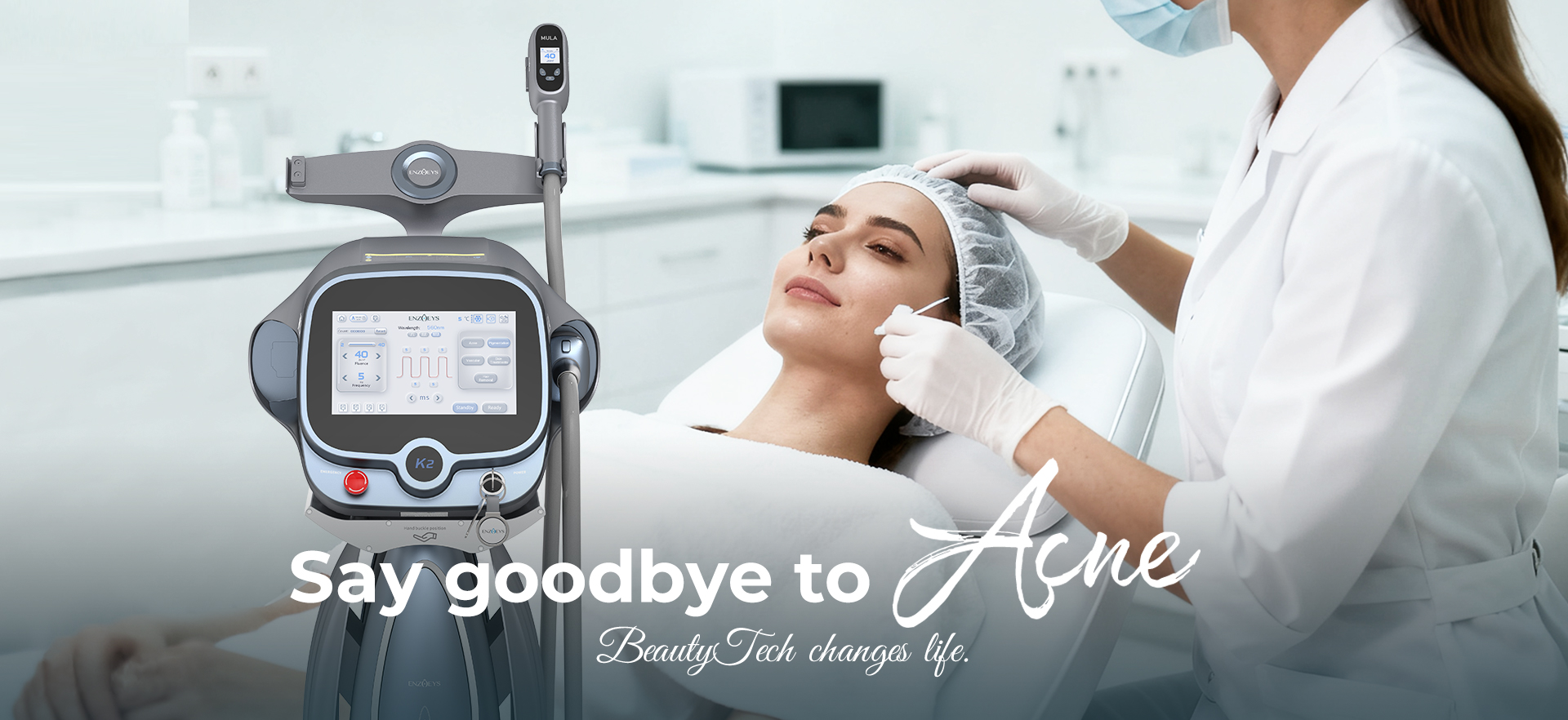
Opening: why myths spread faster than pigments fade
People trade stories about creams and quick fixes the way clouds trade shadows — loosely, with lovely conviction. Yet when a patient asks about pigmentation removal treatment, the conversation must leave poetry and meet protocol. In the realm of hyperpigmentation and melasma, myth and marketing often eclipse clinical signals; this piece unmasks common falsehoods and points to the real parameters clinicians and informed patients should use to evaluate solutions.
Common myths, and the clinical counterpoint
Myth 1: “One laser fixes everything.” Counterpoint: different lesions — post-inflammatory hyperpigmentation, lentigines, and epidermal melasma — respond to distinct approaches such as chemical peel, topical retinoids, or fractional laser. Myth 2: “If it’s natural, it’s harmless.” Counterpoint: some botanicals sensitize skin to UV and worsen pigmentation. Myth 3: “Results are immediate.” Counterpoint: effective remodeling often unfolds over weeks as melanocyte activity calms and epidermal turnover completes. These contrasts matter because choosing an instrument or a regimen without matching the diagnosis is like using a chisel for a filigree — forceful and misapplied.
Which clinical parameters truly matter
Three measurable signals separate sensible plans from hopeful experiments: lesion depth (epidermal vs dermal), pigment type, and patient phototype. Depth guides modality: superficial epidermal spots often clear with topical agents or superficial chemical peels; dermal pigment may require targeted laser resurfacing or longer-term camouflage. Phototype informs risk — darker skin types have higher propensity for post-inflammatory hyperpigmentation and need conservative protocols. The American Academy of Dermatology’s clinical frameworks emphasize matching modality to depth and phototype — a dependable real-world anchor for decision-making.
Treatment choices and what they really do
Topical regimens (hydroquinone, retinoids, azelaic acid) modulate melanogenesis and are a low-risk foundation. Chemical peels accelerate epidermal turnover and can be graded for depth. Energy devices — from intense pulsed light to fractional lasers — fragment pigment or stimulate dermal remodeling. Combining approaches often yields the best path: a topical induction phase, then procedural intervention, followed by maintenance. But the order, intensity, and interval are clinical decisions; one wrong energy setting can flip progress into rebound hyperpigmentation — a lesson learned in many clinics the hard way.
Common mistakes patients and clinicians make
Rushing into high-fluence treatments because “more is better.” Skipping photoprotection — sunscreen is the quiet hero of any plan. Expecting uniform clearing across mixed lesions without proper mapping. — Often, poor outcomes stem not from a flawed device but from mismatched expectations and inadequate pre- and post-care. A careful diagnostic map, realistic timeline, and adherence to sunscreen make more difference than the latest gadget’s marketing brochure.
Alternatives and when to choose them
For epidermal spots, start with topical therapy and gentle peels. For stubborn dermal pigment, consider fractional laser in experienced hands. If risk of post-inflammatory hyperpigmentation is high, lower-energy staged treatments or non-ablative options reduce rebound risk. For those wary of procedures, structured camouflage and sustained topical maintenance are valid strategies. Each path trades speed for safety, or permanence for tolerability — choose by clinical fit, not trend.
How to evaluate a clinic or device — three golden rules
1) Verify diagnosis accuracy: insist on lesion mapping (Wood’s lamp or dermoscopy) before any device is chosen. 2) Ask for documented outcomes in similar phototypes and lesion depths — not only staged photos but complication rates. 3) Demand a clear maintenance plan: what happens at 3, 6, and 12 months. These metrics separate competent care from cosmetic theatre.
Final advisory and parting thought
Advisory: evaluate any plan by diagnostic precision, documented safety for your phototype, and the presence of a realistic maintenance protocol. Seek clinics that show honest timelines rather than hyperbole; look for teams that blend topical science with procedural restraint. In clinical practice, the quiet strategies — sun protection, measured topical therapy, staged interventions — win more often than dramatic one-shot promises. For patients and providers seeking a considered, evidence-informed path to skin pigmentation removal treatment, the practical value of integrated care is clear, and that is where ENZOEYS fits naturally as a thoughtful resource and partner in long-term outcomes. —
ENZOEYS — measured care, honest results.