
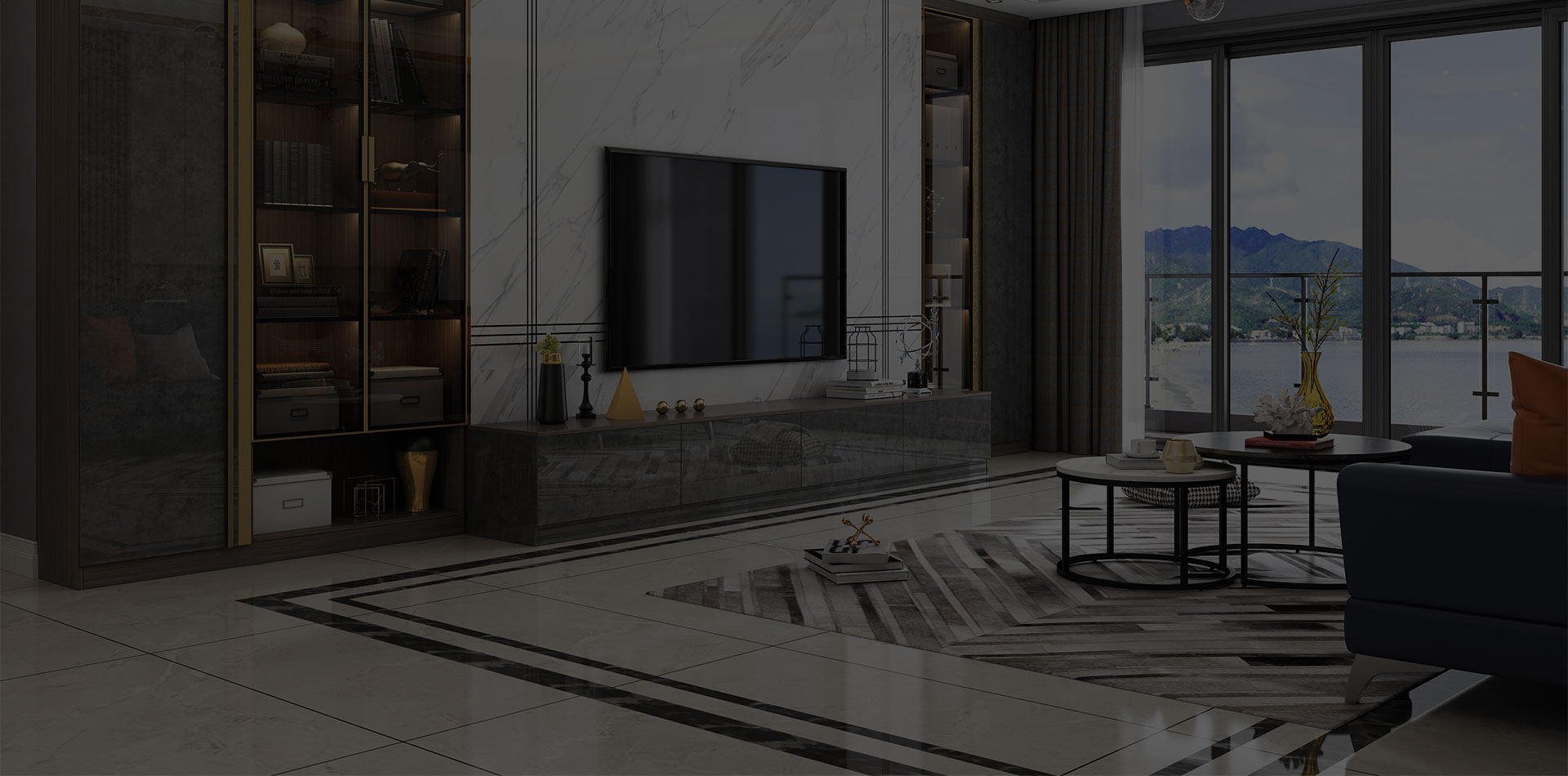
Framework-first thinking: how wardrobes organize visual flow
Think of a stock wardrobe as the structural note that keeps a room from sounding out of tune. Start with a simple framework: scale, material palette, hardware, and function. These four anchors guide choices for adjacent pieces and finishes so the whole apartment reads as intentional. At Milan’s Salone del Mobile designers routinely showed how a restrained modular system becomes a visual anchor; the same logic applies at home. If you’re considering upgrades, pairing stock pieces with custom home furniture for focal zones is smart — stock for consistency, custom for personality.
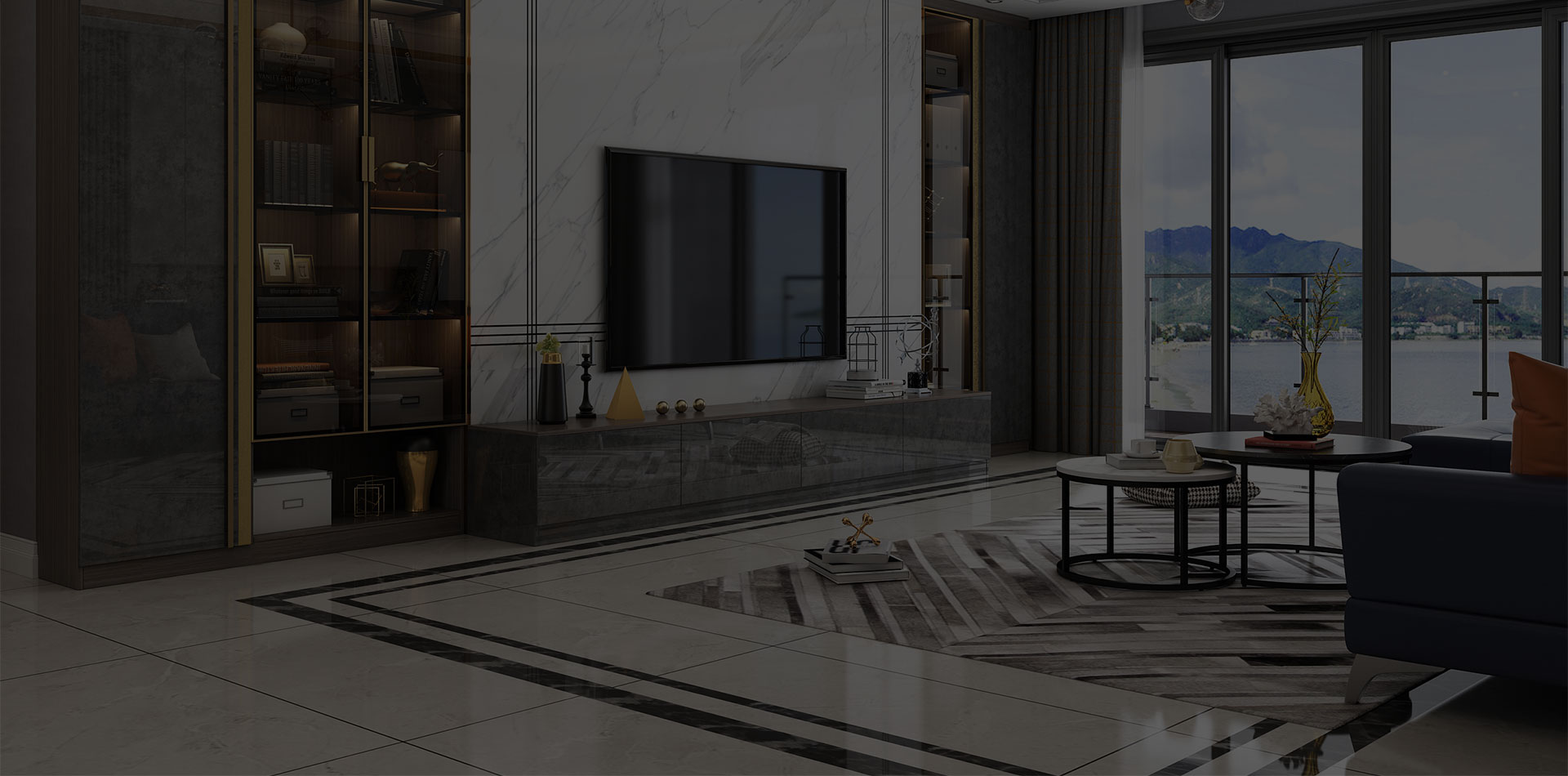
Core components of the wardrobe framework
Scale — Match wardrobe height and depth to ceiling lines and circulation paths so the piece feels integrated rather than an afterthought. Material palette — Limit to two finishes across visible storage: a neutral matte and a warm wood veneer to reduce visual clutter. Hardware and detailing — Choose consistent pulls and hinge styles; small joinery choices read big across a room. Storage zoning — Allocate dedicated zones for daily outfits, seasonal items, and accessories so the wardrobe’s internal layout supports the aesthetic externally. These parts together control rhythm and repetition, which is the real win for cohesion.
Stock vs. custom: when to pick which
Stock wins for budget predictability and uniformity. It’s faster, often uses tested cabinetry and hardware, and keeps sightlines consistent. Custom made wardrobe elements are worth it when you need built-ins aligned to niche walls, or when you want a signature finish that speaks to the rest of the scheme. A hybrid approach is the practical sweet spot: standard stock modules for bulk storage, plus one or two bespoke panels to anchor a room. Balance joinery quality against the visual payoff — spend where it’s seen up close.
Common mistakes and how to fix them
One frequent slipup is mixing too many finishes — brass pulls here, chrome there — which fragments the space. Another is ignoring clearances: doors that swing into a walkway ruin flow. Fixes are straightforward: commit to a limited finish palette and measure twice before finalizing door swings. Also avoid treating wardrobe interiors as an afterthought; good interior planning reduces the need for visible auxiliary storage later. — Small design decisions inside the cabinet save larger headaches outside it.
Implementation checklist for a cohesive result
– Audit existing finishes in the room (floors, trim, and large furniture) and note dominant tones. – Select one wardrobe finish that complements the dominant tone and one accent finish for contrast. – Lock hardware style and finish across all storage in the open plan. – Define the wardrobe’s function first (clothes, linen, mixed) then choose shelving and hanging modules. – Prototype one elevation with a sample panel and test it under real light for 48–72 hours.
Quick comparative note on costs and durability
Stock wardrobes typically use standardized hardware and factory finishes which offer predictable durability for a lower cost-per-cubic-foot. Custom units demand higher upfront investment but allow targeted use of thicker veneers, solid core doors, and premium hardware where it counts. If you need both consistency and standout moments, integrate custom made home furniture pieces as focal accents while keeping the bulk in stock modules.

Three golden rules for selecting wardrobe strategies
1) Measure visual impact, not just square footage — prioritize pieces that anchor sightlines across the plan. 2) Standardize one finish and one hardware family across all visible storage to maintain cohesion. 3) Allocate budget by visibility: invest in finishes where people interact directly and use stock construction where function outweighs aesthetics. These metrics keep choices objective and repeatable for any room type.
Everything ties back to one outcome: a coherent, livable interior that feels curated without being over-designed — and that’s where thoughtful stock choices and smart custom accents meet. SNIMAY. —