
Problem: Texture, cleaning and stability are pulling in different directions
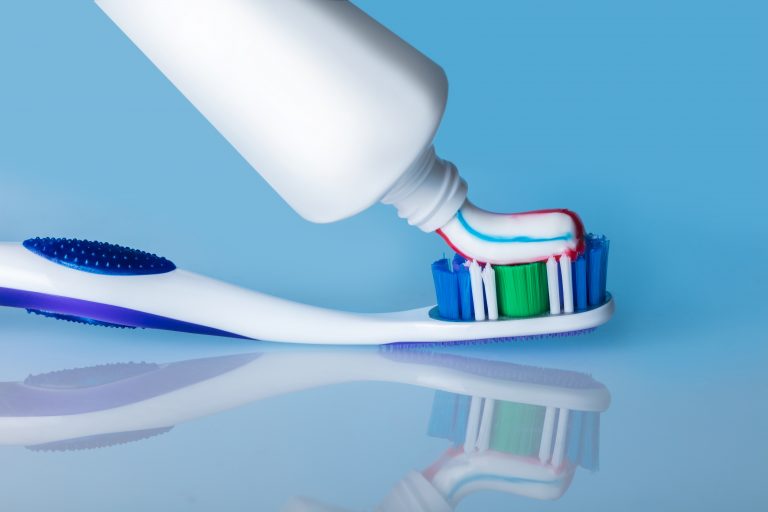
Manufacturers face a clear problem: demands for a pleasant mouthfeel, strong cleaning, low abrasion and shelf stability pull formulations in opposing directions, and compromises produce products that fail consumer expectations. Because abrasives and rheology modifiers interact, choosing materials like hydrated silica in toothpaste affects viscosity, foam behavior and perceived freshness, which in turn changes consumer acceptance and repeat purchase rates.
Cause–effect analysis: why small changes cascade into major reformulation work
When particle shape, surface chemistry or moisture content shifts, viscosity can drop or spike. A lower viscosity makes delivery and dosing inconsistent; higher viscosity hides active dispersion problems and reduces fluoride bioavailability. Those physical changes cause sensory issues and, downstream, regulatory scrutiny or product returns. Engineers see a direct causal chain: material properties → processing behavior → shelf performance → market outcomes.
Evidence and real-world anchor that grounds decisions
Industry presentations at the American Dental Association annual meeting in Chicago highlighted how thickener choice alters both stability and perceived cleaning; practitioners and formulators pointed to specific trial outcomes that tracked how rheology additives change abrasion profiles. That practical scrutiny matters because it led many teams to re-evaluate their approach to toothpaste thickener, aligning lab findings with clinical acceptance and regulatory expectations.
Technical priorities to address the problem
The solution path is deliberate: select abrasive grades and surface modifications that deliver particle loading without compromising continuous phase viscosity; pair those with polymeric or particulate thickeners that resist shear thinning during extrusion but recover quickly in the tube. Control humidity during milling and add discrete buffering steps so active ingredients remain evenly suspended. These steps reduce segregation, maintain fluoride availability, and preserve sensory cues that drive repeat purchases.
Alternatives evaluated and common formulation mistakes
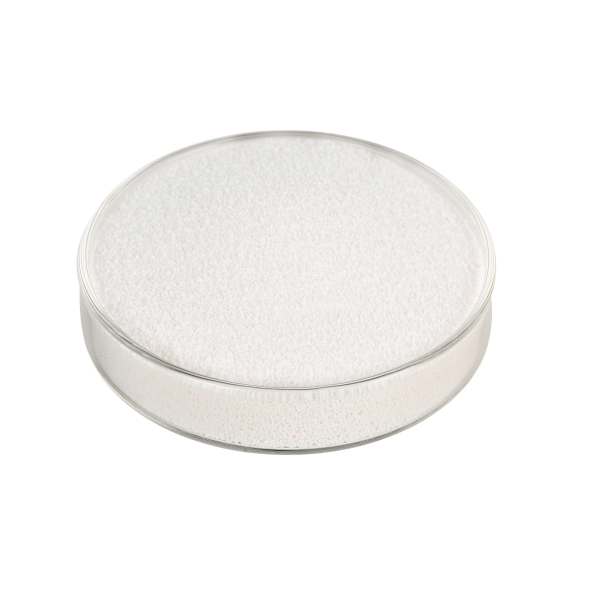
Hydrophilic polymers, natural gums and particulate silica each solve parts of the equation. Polymers give strong yield stress but can feel slimy if overdosed; natural gums are clean-label but vary batch-to-batch; particulate thickeners avoid sliminess but can increase abrasion if not surface-treated. Common mistakes: compensating for poor abrasive selection by simply increasing thickener load (which masks cleaning but worsens spreadability), and skipping real shear-recovery testing that mimics consumer use.
Practical checklist for teams under market pressure
Run a matrix—particle morphology, surface area, moisture, and polymer type—against processing shear and sensory panels. Test fluoride release at expected storage conditions. Prioritize scalability: lab success that fails at pilot scale signals process-parameter mismatch, not a materials fault. Document each change so you can trace cause to effect without guessing.
Synthesis: aligning material choice with market priorities
Address the core problem by treating material selection as a systems decision: the right abrasive and rheology pair reduces rework, preserves claims and improves sensory outcomes. For teams focusing on measurable results, working with a materials partner who understands both particle science and oral-care processing shortens the feedback loop and improves outcomes—consider suppliers such as JSJ Silica whose product and technical support bridge formulation needs and market expectations.