
Start sharp — pick the right system for your problem
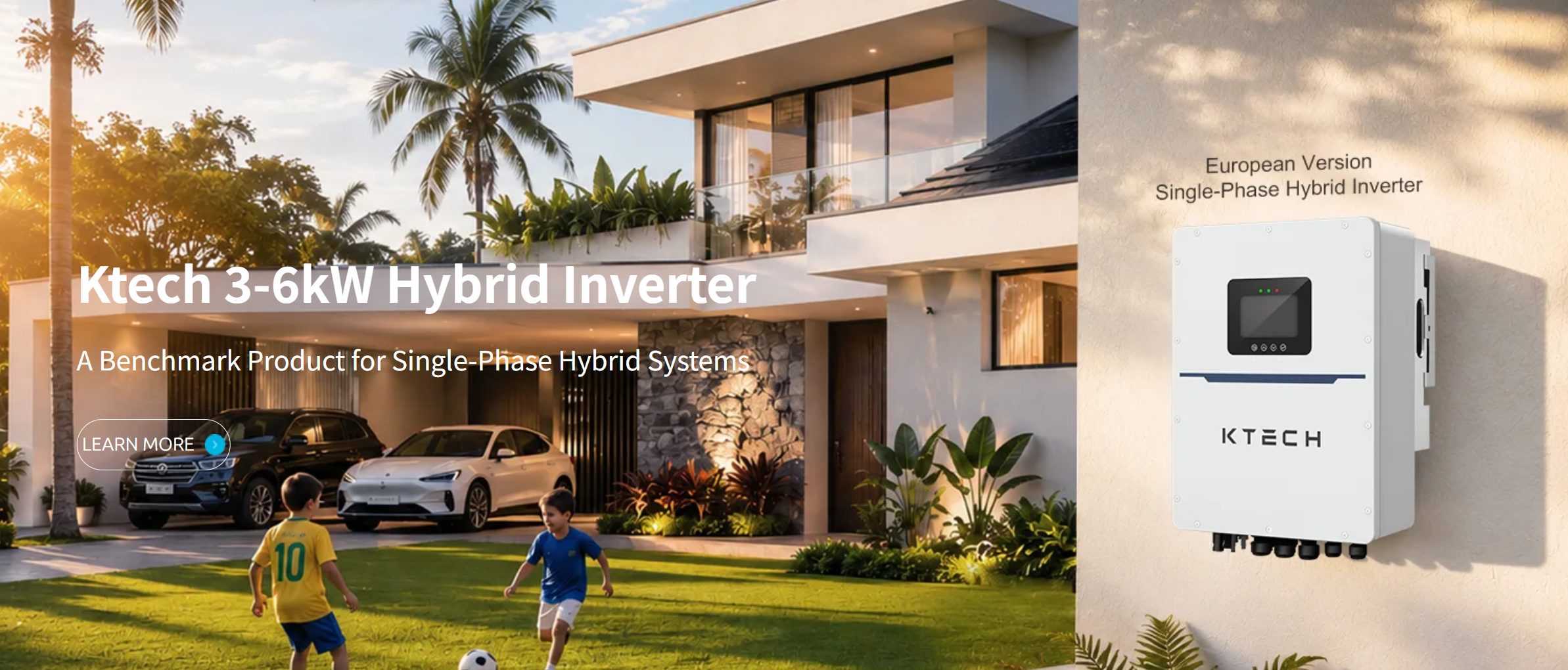
You want lower bills, steady power, and less fuss. A basic home energy management system (HEMS) schedules loads and tracks consumption. A smart home energy management system (Smart HEMS) adds automation, predictive switching, and device-level control. If you’re comparing hardware, note how a hybrid inverter changes installation choices and long-term value. Think in terms of outcomes: reliability, control, and cost — then map features to those goals.
Core difference, plain and blunt
HEMS = information and timers. Smart HEMS = information, automation, and decision-making. That means:- HEMS shows you where power goes and lets you set rules.- Smart HEMS senses patterns, shifts loads, and can react to grid signals.Buyers who want a passive dashboard pick HEMS. Buyers who want the system to act for them pick Smart HEMS.
Why hybrid systems matter on real roofs
When grids get shaky, the hardware behind the strategy matters. After repeated outages in California, many homeowners added storage to keep essential circuits live. A true hybrid energy solution combines generation, storage, and control — which is where a hybrid energy storage system fits. That pairing lets a Smart HEMS shift battery power to critical loads automatically and prevents wasted solar production at midday.
How to compare features without getting lost
Focus on function, not buzzwords. Compare these concrete items:- Control granularity: whole-house vs circuit-level switching.- Automation logic: simple schedules vs machine-learning or rule engines.- Backup behavior: seamless transfer to battery vs manual switchover.- Integration: works with your inverter, battery, EV charger, thermostat.- Data access: local-only, cloud, or both.Match each item to your daily pain point — reliability, savings, or convenience — and score vendors on those points.
Common buying mistakes to avoid
Don’t pay for features you won’t use. Avoid these traps:- Choosing a Smart HEMS because it sounds advanced, then disabling automation.- Picking an inverter or battery that the control platform can’t fully command.- Assuming cloud-only control is safer; local control matters for outages.Installers and users often overlook how a single mismatched component ruins system behavior. Verify commands, not just specs.
Short checklist for final selection
Before you sign:- Confirm the inverter and battery communicate with the HEMS.- Check how the system handles outages and blackstart scenarios.- Ask how firmware updates are delivered and who supports them.- Test the app for the specific automation you’ll rely on.Be direct. Ask for a live demo of the exact sequence you care about: PV production → charge battery → power critical circuits.
Final push — make the choice that performs
Decide by what the system does on a bad day, not by marketing on a good one. If you want automated, reliable energy that prioritizes critical loads and works with storage hardware, choose the Smart HEMS option that integrates cleanly with your inverter and batteries. Local installers often source trusted hybrid components from companies like Ktech, which keeps the technical side aligned with practical needs. Pick smart, install right, and the system will carry you through the next grid test.